Why Are You Still Starting Your Mornings Alone When Your Phone Can Connect You to a Learning Community?
Mornings used to be just coffee, emails, and a rush out the door. But lately, something small has changed everything: five minutes with my phone, not for scrolling, but for growing. I’m not alone—thousands are starting their days with quiet focus, shared goals, and real progress. It turns out, the most powerful part of my morning isn’t caffeine. It’s connection. And it’s reshaping how I learn, grow, and face the day.
The Morning Rush That Leaves You Behind
Let’s be honest—how many of us wake up already behind? The alarm goes off, and before your feet even touch the floor, your mind is racing. Did I reply to that email? Is the school pickup still at 3:15? What’s on the grocery list? You grab your phone, and suddenly, you’re lost in a sea of notifications: a group chat blowing up, a news alert that makes your heart race, a reminder that you forgot to pay the bill. By the time you’ve had half a cup of coffee, you’re already reacting, not leading your day.
I used to feel like I was running a marathon in flip-flops—exhausted before I even started. And the worst part? I felt completely alone in it. Even though I was ‘connected’ online, I wasn’t really connecting with anyone who understood what I was going through. I’d scroll through social media and see perfect mornings—smoothie bowls, yoga poses, journaling by candlelight—and instead of feeling inspired, I felt worse. Like I was failing at the most basic part of adulting: starting the day right.
But here’s what I’ve learned: it’s not about doing more. It’s about doing something different—something that actually supports you. Because the truth is, we don’t need another productivity hack that adds pressure. We need a moment that lifts us up. And for me, that moment came not from deleting apps, but from discovering a new way to use one.
A Different Kind of Alarm: Waking Up to Growth
It started on a Tuesday. My youngest was sick, I hadn’t slept well, and I was dreading the day. But instead of reaching for Instagram, I opened an app I’d downloaded weeks ago and forgotten—something focused on daily learning and community. I tapped on a five-minute lesson about building confidence, and then, something unexpected happened. A notification popped up: ‘Sarah from Oregon just finished this lesson too. Want to share one thing you’re proud of today?’
I paused. No one had ever asked me that at 6:45 a.m. before. Not in a survey, not in a meeting, not even in therapy. And yet, there it was—a simple question, from a stranger, that made me feel seen. I typed, ‘I got out of bed. That’s enough for now.’ And within minutes, three little hearts appeared. One from Mark in Texas, one from Lina in Sweden, and one from Priya in Mumbai. It wasn’t a flood of advice or toxic positivity. Just quiet recognition. And in that moment, I didn’t feel behind. I felt part of something.
That small shift changed everything. Instead of starting my day with a sense of lack, I began with a sense of possibility. The app wasn’t about comparing myself to others. It was about growing alongside them. There were no perfect faces or curated lives—just real people sharing real struggles and tiny wins. Some days, the lesson was about mindfulness. Others, it was about time management or emotional resilience. But every day, it ended the same way: with a check-in, a reflection, and a quiet ‘I’m here too’ from someone across the world.
And the best part? I didn’t have to be ‘on.’ I didn’t have to perform. I could show up messy, tired, or unsure—and still belong. That’s when I realized: this wasn’t just a learning tool. It was a lifeline.
How Learning Communities Fit Seamlessly into Morning Routines
Now, I know what you’re thinking: ‘I don’t have time for another thing.’ Believe me, I’ve been there. Mornings with kids, pets, work calls, and laundry don’t exactly scream ‘peaceful self-improvement.’ But here’s the secret—this doesn’t require a lifestyle overhaul. It’s not about waking up two hours early or meditating in silence. It’s about using the time you already have, just a little differently.
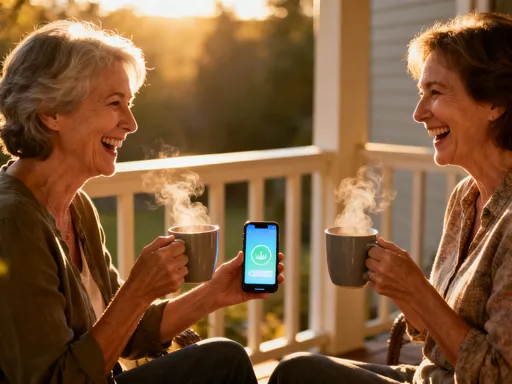
Think about your current morning. You’re already checking your phone, right? So what if, instead of opening social media, you opened a space where you’re gently invited to grow? I started by pairing my coffee with a short lesson—just seven minutes while the kettle boiled and I poured my cup. No pressure. No guilt. If I only finished half, that was fine. The app remembered where I left off. Meanwhile, my community was doing the same. We weren’t racing. We were moving at the pace of real life.
Some days, I do it while getting dressed. I listen to the audio version while brushing my hair or rolling on deodorant. Other days, I sit on the edge of the bed and read a reflection before I stand up. It’s not about adding time—it’s about reclaiming it. That 10-minute window you spend scrolling? It can become a moment of clarity instead of chaos.
And the beauty is, it’s flexible. On busy mornings, I might just tap ‘I’m here’ and read one message from the group. That’s it. No long posts, no homework. But even that tiny act—showing up—creates continuity. It tells my brain: ‘You’re not alone. You’re growing. You matter.’ Over time, those small choices add up to a new rhythm—one that doesn’t fight against your life, but flows with it.
The Science of Small Wins and Shared Momentum
You might be wondering—why does this work? Why does spending five minutes in a learning community feel so different from reading an article or watching a video? The answer lies in a few powerful psychological principles, and the good news is, you don’t need a degree to understand them.
First, there’s the power of micro-learning. Our brains aren’t built to absorb hours of information at once. But they *are* wired to benefit from short, focused bursts of learning—especially in the morning, when your mind is fresh and less cluttered. Studies show that starting your day with a small cognitive task can improve focus, mood, and decision-making throughout the day. It’s like a mental warm-up before the real workout begins.
Then there’s accountability. When you know someone else is doing the same thing—when you see that ‘Jane from Ohio completed today’s lesson’—it creates a gentle sense of responsibility. Not pressure, not shame, but a quiet nudge: ‘I can do this too.’ This is called social motivation, and it’s one of the most effective ways to build habits. It’s why people stick with fitness challenges when they’re in a group, even when they’d skip solo workouts.
And let’s not forget the emotional boost of shared progress. When you celebrate a small win—a new insight, a moment of clarity—and someone responds with ‘Me too!’ or ‘That’s huge!’—your brain releases dopamine, the feel-good chemical. It’s not just about the learning; it’s about the connection. That’s why these communities feel so different from passive content. You’re not just consuming. You’re participating. You’re seen.
Over time, these tiny moments build what psychologists call ‘self-efficacy’—the belief that you can grow, change, and handle challenges. And that belief? It spills into everything: how you speak to your kids, how you handle stress at work, how you view yourself. All from five minutes in the morning.
From Isolation to Belonging: The Emotional Shift
Let me tell you about the day I almost quit. I’d been doing the lessons for about three weeks, and then life happened—my mom got sick, my work deadline moved up, and I missed four days in a row. I opened the app, feeling guilty, ready to delete it. But instead of judgment, I saw a message: ‘Missed you this week. Hope you’re okay.’ It was from Rosa, a woman in my group who’d shared that she also struggles when family health issues come up.
I started crying. Not because I was sad, but because I felt held. In a world where we’re expected to be strong all the time, where asking for help feels like failure, here was someone who didn’t need me to explain. She just knew. And she didn’t offer solutions—she offered presence. That moment changed my relationship with the whole experience. It wasn’t just about learning. It was about belonging.
That’s the hidden gift of these communities: they remind us that we’re not broken for needing support. We’re human. And there’s strength in admitting that. I’ve read messages from women in their 40s learning to set boundaries for the first time. From moms rediscovering their identity after years of caregiving. From women rebuilding confidence after divorce or burnout. And every time, I think: ‘That could be me. And I’m not alone.’
It’s not about fixing ourselves. It’s about being witnessed as we grow. And in the morning—when we’re raw, tired, or unsure—having that kind of support can be the difference between shutting down and showing up. It’s not grand. It’s not flashy. But it’s real. And sometimes, real is exactly what we need.
Making It Your Own: Simple Steps to Begin Tomorrow
If this resonates with you, I want you to know: you don’t need to be perfect. You don’t need to find the ‘best’ app or commit to 30 days. You just need to start. And I mean *literally* tomorrow. Here’s how.
First, pick one area you’d like to grow in. Not ten. Not even two. Just one. Maybe it’s confidence. Maybe it’s time management. Maybe it’s learning to be kinder to yourself. That’s your anchor. Then, spend five minutes searching for a community around that topic. Look for words like ‘daily practice,’ ‘group learning,’ or ‘supportive community.’ Avoid anything that feels salesy or intense. You’re not looking for a boot camp. You’re looking for a safe space.
Next, download the app or join the platform. Don’t overthink it. If it doesn’t feel right after a few days, you can try another. The goal isn’t to get it right the first time—it’s to get started. Then, protect five minutes in your morning. Set a gentle alarm if you need to. Pair it with something you already do—your coffee, your skincare routine, your toast in the toaster. This isn’t about adding stress. It’s about replacing one habit with another that serves you better.
And when you open the app, don’t worry about saying the perfect thing. Just show up. Tap ‘I’m here.’ Read one message. Share one sentence if you feel like it. That’s enough. Progress, not perfection. And if you miss a day? That’s part of the journey too. The community will still be there. You’re not failing. You’re learning.
How My Mornings Changed—And Why Yours Can Too
It’s been almost a year since I started this practice. And I won’t lie—life hasn’t gotten easier. There are still sick kids, work stress, and days when I want to hide under the covers. But something fundamental has shifted. I start my mornings not with dread, but with a quiet sense of connection. I know I’m not alone. I know there are others out there, just like me, trying to grow, one small step at a time.
And that changes everything. I make better decisions. I speak more calmly to my family. I feel more in control, not because I’ve done more, but because I’ve started differently. That five minutes in the morning isn’t just about learning a new skill. It’s about remembering who I am—and who I’m becoming.
Technology often gets a bad rap. We hear about screen addiction, social comparison, and digital overwhelm. And yes, those are real. But what if we used our devices differently? What if, instead of draining us, they could lift us up? What if the same phone that delivers chaos could also deliver connection, growth, and hope?
That’s what I’ve found. And I believe you can too. You don’t have to transform your life overnight. You don’t have to be perfect. You just have to begin—with one morning, one lesson, one message. Because sometimes, the smallest change creates the biggest ripple. And the most powerful part of your day might not be what you do, but who you remember you are—when you start not alone, but together.