I kept waking up worried about the doors – How smart alarms gave me back peaceful nights
You know that moment, just as you’re drifting off, when your mind suddenly races: Did I lock the front door? Is the garage closed? What if someone’s at the window? I used to lie awake every night, gripped by quiet fears. Then I discovered how modern alarm systems adapt to bedtime routines—not just securing my home, but easing my mind. This isn’t about high-tech gadgets; it’s about rest, trust, and finally feeling safe when the lights go out. If you’ve ever crept back downstairs at 11 p.m. just to check the deadbolt, you’re not alone. And the good news? There’s a quieter, calmer way forward.
The Nighttime Anxiety No One Talks About
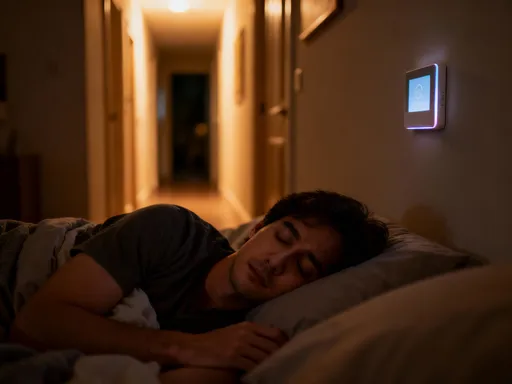
It starts small. You’re tucked under the covers, the house finally quiet after a long day, and then—your brain kicks in. Did I set the alarm? Was that a creak on the porch? What if I left the back door unlocked when I took out the trash? For years, I thought this was just part of being a responsible homeowner. But it wasn’t responsibility—it was anxiety, quietly wearing me down. I’d get up three, sometimes four times a night, walking through the dark to check locks, peering through curtains, listening for sounds that were probably just the house settling.
I didn’t realize how common this was until I mentioned it to a friend over coffee. “You too?” she said, eyes wide. “I keep a list on my nightstand—lock, alarm, garage—so I don’t have to wonder.” Another mom at my daughter’s soccer game confessed she once drove back from a weekend trip just to double-check the basement window. These weren’t careless people. We were attentive, loving, protective. But somewhere along the way, caring for our homes had turned into chronic worry. The truth is, our brains are wired to stay alert when we feel unsafe, and for many of us, nighttime is when that alertness becomes overwhelming.
What made it worse was the guilt. I’d think, I should feel safe. I have a good neighborhood. I’ve done everything right. But logic doesn’t always quiet the heart. And sleep—the one thing we all need to show up as our best selves—was slipping away. I was tired all the time, short-tempered with my kids, foggy at work. The irony? The very thing meant to protect us—our awareness—was making us feel less secure. I knew something had to change. I just didn’t know it would come from something as simple as an alarm system that actually understood my life.
From Panic to Peace: A Simple Shift in Thinking
The turning point came during a conversation with my sister, who’s always been more tech-savvy than I am. “You’re not supposed to babysit your security system,” she said. “It’s supposed to babysit you.” That hit me like a lightning bolt. I had been treating my old alarm like a chore—something I had to remember, something that nagged me with beeps and codes. But what if it could work with me, not against me? What if it could know when I was winding down, when the kids were in bed, when the house should be still?
That’s when I started looking into smart alarms—not just systems that go off when someone breaks in, but ones that learn your rhythm. I realized security isn’t just about preventing danger. It’s about reassurance. It’s the difference between wondering if the door is locked and knowing it is. And that kind of peace doesn’t come from louder sirens or more cameras. It comes from consistency, trust, and a system that fits your life instead of disrupting it.
I began to see my home not as a fortress to defend, but as a sanctuary to protect. And protecting it didn’t have to mean constant vigilance. It could mean setting things up once, then letting them work quietly in the background. I started thinking of my alarm system less like a guard and more like a thoughtful housekeeper—someone who checks the locks so I don’t have to, who knows when I’m asleep and adjusts accordingly. That shift—from fear-based checking to trust-based automation—was the first real step toward better sleep and a calmer mind.
How Smart Alarms Learn Your Bedtime Routine
I’ll admit, I was skeptical at first. How could a machine possibly understand my habits? But modern smart alarms aren’t just timers or motion detectors. They’re designed to adapt. Using a combination of sensors, mobile apps, and even your phone’s location, they can recognize patterns in your daily life. For example, if you consistently turn off the living room light at 9:45 p.m. and head upstairs, the system starts to learn that as part of your wind-down routine.
Here’s how it works in simple terms: motion sensors in key areas—like the hallway or kitchen—detect activity. Door and window sensors report whether they’re open or closed. And your smartphone, when it’s inside the house, tells the system you’re home. When you leave, it can automatically switch to full security mode. But the real magic happens at night. Many systems offer a “night mode” that you can trigger manually—or even automatically—based on your behavior.
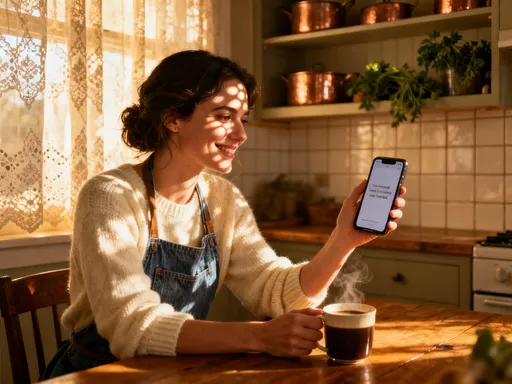
Let’s say you turn off your bedroom light at 10:30 p.m. If you’ve set it up that way, your alarm can respond by arming only certain zones—like the first floor and exterior doors—while leaving your bedroom and bathroom motion sensors inactive. That way, you can get up for water or check on a child without setting off an alert. Some systems even send a gentle notification to your phone: “Home secured in night mode.” No noise, no stress—just a quiet confirmation that everything is as it should be.
And if you forget to arm it? No problem. Many systems allow for geofencing, which means they can detect when your phone leaves the house and automatically lock up. Or, if you’re already in bed, you can arm it with a single tap on your phone. No more racing downstairs in socks, heart pounding, just to punch in a code. The system works with you, not against you. It’s not about control—it’s about collaboration.
Real Life at 10 p.m.: One Family’s Evening Flow
Let me walk you through a typical night in my home now. By 8 p.m., the kids are in pajamas, homework is done, and the living room is filled with the soft glow of the TV. We’ve had dinner, cleared the table, and the dog has had his final walk. Around 9:15, the kids head upstairs. I follow ten minutes later to read a story, tuck them in, and kiss their sleepy faces. My husband finishes a work email, turns off the kitchen light, and heads up too.
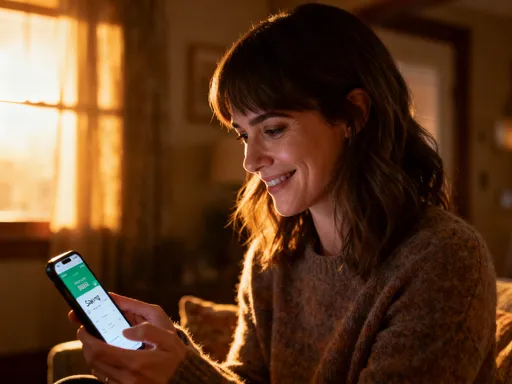
At 9:50, I turn off the hallway light on the second floor. That’s the signal—because I’ve programmed it—that bedtime is beginning. Within seconds, a small notification appears on my phone: “Night mode activating in 2 minutes.” I don’t have to do anything. I just keep brushing my teeth. By the time I’m in bed at 10:05, the system has already armed the first floor, locked the garage door (which I forgot—again), and disabled the motion sensors in the hallway so I can get up later without an alert.
If my husband gets up for a glass of water, the system doesn’t care. It knows we’re home, it knows it’s nighttime, and it’s not going to scream at us for living our lives. But if the front door opens? That’s a different story. The alarm would sound, and we’d get an instant alert on our phones—even if we were asleep. The beauty is in the balance: protection without paranoia, security without sacrifice.
And here’s something I didn’t expect—my kids feel safer too. My daughter, who used to worry about “bad guys,” now says, “The house is watching us, right Mom?” And I can say, “Yes, sweetie. It’s got our back.” That kind of comfort is priceless. It’s not just about keeping intruders out. It’s about creating a home where everyone can relax, breathe, and sleep deeply.
Customizing for Calm: Making the System Fit You
One of the things I love most about smart alarms is how flexible they are. Every family has its own rhythm, and your security system shouldn’t force you into a rigid routine. When I first set mine up, I was worried it would be too complicated. But most systems today are designed with real life in mind—messy, unpredictable, and beautiful.
For example, I used to hate that old alarms gave you 30 seconds to disarm when you walked in the door. If I had groceries in both hands or was helping the kids with backpacks, I’d panic. Now, I have a delayed entry setting—45 seconds, just enough time to get the door closed and find my phone. And if I’m sneaking in a midnight snack? The motion sensors in the kitchen are set to ignore slow movement below a certain height—perfect for avoiding alerts when the dog raids his treat jar.
You can also customize alerts. Instead of a loud chime every time a door opens, I get a silent notification on my phone. That way, I’m informed but not startled. If the garage door is left open past 10 p.m., I get a reminder—gentle, not scolding. And during vacations, I can switch to “away mode,” which arms all sensors and sends real-time updates if anything happens.
Some systems even let you create “scenes” in your home app. I have one called “Goodnight” that turns off the lights, adjusts the thermostat, and arms the alarm—all with one tap. It’s like a lullaby for the house. The key is to start simple. You don’t have to use every feature at once. Try one thing—like auto-arm at bedtime—and see how it feels. Over time, you’ll discover what works for your family. The goal isn’t perfection. It’s peace.
The Ripple Effect of Feeling Safer at Night
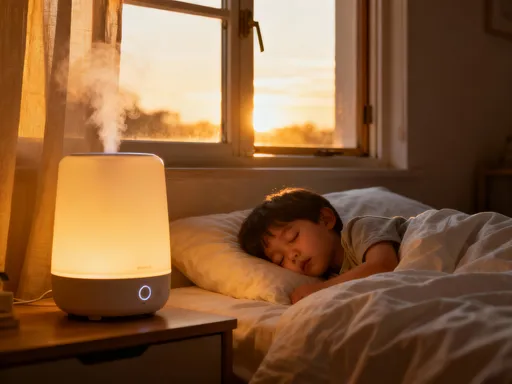
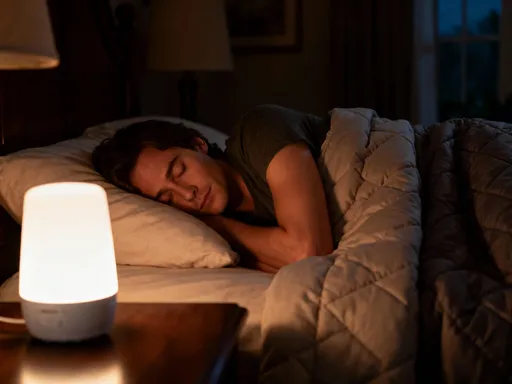
I didn’t realize how much my nighttime anxiety was affecting my days until it started to fade. The first thing I noticed was sleep. I was falling asleep faster, staying asleep longer, and waking up feeling refreshed instead of groggy. No more 3 a.m. mental checklists. No more dark walks through the house. Just rest.
But the changes went deeper. I had more patience with my kids in the morning. I wasn’t snapping because I was exhausted. I was more focused at work, more present with my family, more like the person I want to be. My husband said I seemed “lighter,” and I think he’s right. When your mind isn’t carrying that quiet hum of worry, you have more room for joy.
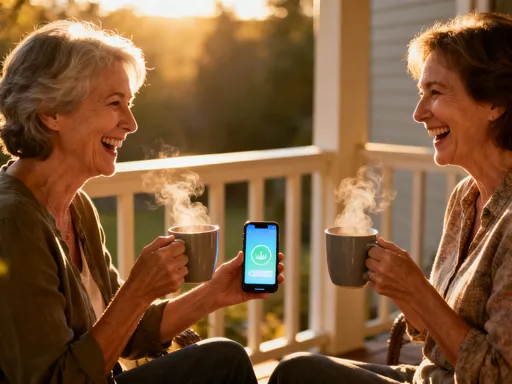
And it’s not just me. I’ve talked to other women—mothers, empty nesters, women living alone—who’ve made the switch to smart alarms. One friend said she finally stopped carrying her house keys to bed. Another said she hasn’t driven back to check the front door in over six months. These small victories add up. They’re not just about security. They’re about freedom—the freedom to let go, to trust, to breathe.
There’s also something powerful about feeling in control without having to do anything. It’s like having a silent partner in your home, someone who’s always paying attention so you don’t have to. And that sense of calm? It spills over into everything. Family dinners are quieter, bedtime routines are smoother, and evenings feel more like a gift than a race against the clock.
Starting Small: Your First Step Toward Restful Nights
If you’re reading this and thinking, This sounds nice, but I don’t know where to start, I get it. I felt the same way. You don’t need to replace every lock or install ten cameras. In fact, I’d recommend starting with just one change. Maybe it’s setting up a bedtime alert on your phone that reminds you to arm the system. Or testing an auto-arm feature for one week to see how it feels.
Many systems offer starter kits that are easy to install—no drilling, no wiring, just plug-and-play. You can begin with a door sensor and a base unit, then add more pieces over time. Some even let you try a basic version through your existing smart speaker. The point isn’t to overhaul your home overnight. It’s to make one small upgrade that brings one less thing to worry about.
Think of it as self-care. Because feeling safe isn’t a luxury—it’s a necessity. And when you sleep better, you show up better. For your family. For yourself. For the life you’re building. You deserve to lie down at night without fear, to close your eyes knowing you’re protected—not because you checked ten times, but because your home is watching over you.
So tonight, before you head to bed, ask yourself: What if I didn’t have to wonder? What if I could just rest? That peace is possible. It’s not magic. It’s not expensive. It’s just a smarter way to live. And it’s waiting for you, one quiet night at a time.