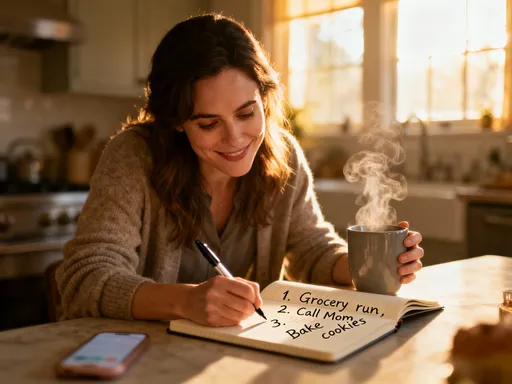
What if an old friend could help you navigate menopause—through technology?
Imagine chatting with someone who truly gets it—not just because she’s been there, but because an app quietly connects your experiences, moods, and progress over time. Menopause doesn’t have to be isolating. What if the support you needed came not from a cold interface, but from a familiar voice, a shared journey, and smart tools working behind the scenes? This is technology that feels personal, because it grows with you—and with those who care. You’re not just tracking symptoms; you’re rebuilding connection, one thoughtful message, one shared insight at a time.
The Silent Struggle: When Menopause Feels Lonely
Let’s be honest—menopause can feel like walking through fog. One moment you’re fine, and the next, your body seems to have its own agenda. Hot flashes creep in during a school pickup. Mood swings make you snap at someone you love. Sleep? It’s become a memory. You try to explain it, but even the people closest to you might not fully understand. “You’re just stressed,” they say. Or, “Isn’t this over by now?” It’s not their fault. Menopause is still one of those topics we whisper about, if we talk about it at all.
I remember sitting in my car after dropping the kids off, tears streaming down my face after a sudden wave of sadness I couldn’t explain. I felt broken, but I didn’t know how to ask for help. That’s the thing—many of us are surrounded by family, friends, and responsibilities, yet feel deeply alone. The emotional weight of this life stage often goes unseen. We’re expected to keep going, keep smiling, keep managing everything. But inside, it’s like we’re running on empty. And while every woman’s journey is different, one thing is common: the longing to be truly seen and understood.
What if we didn’t have to go through this in silence? What if, instead of searching for answers in online forums or trying to decode confusing symptoms alone, we could turn to someone who already knows our story? Not a doctor, not a stranger—but a friend. Not just any friend, but one who’s known you since before kids, before careers, before life got so complicated. An old friend who remembers the you that sometimes feels buried under years of “doing it all.”
Reconnecting Through Shared History: The Power of Old Friendships
Think about your oldest friend—the one you used to stay up all night talking with, the one who saw you through breakups, first jobs, and family drama. You might not talk every day anymore, or even every year, but when you do reconnect, it’s like no time has passed. That kind of bond isn’t just about nostalgia. It’s about continuity. It’s someone who remembers your laugh, your quirks, the way you used to dance in the kitchen when your favorite song came on. And that matters—especially now.
During menopause, when your body and emotions feel unpredictable, having someone who knows your baseline can be grounding. She can say, “Wait, that’s not like you,” when you’re feeling off, or “I remember when you got through that hard time—you’ve got this,” when you’re doubting yourself. That kind of support isn’t something you can find in a symptom chart. It’s deeper. It’s emotional. It’s personal.
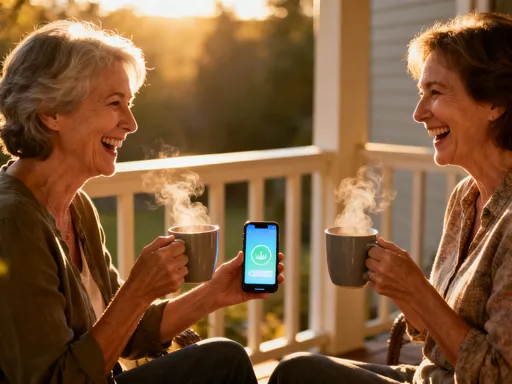
And here’s the beautiful part: you don’t have to rekindle that friendship the old-fashioned way—waiting for a chance meeting or drafting a letter you’re too nervous to send. Technology can help you reach out gently, naturally. A simple voice note. A shared photo. A quick message through a private app. It’s not about grand reunions. It’s about small, meaningful moments that rebuild connection. And when that connection becomes part of your wellness journey, it transforms from memory into support.
How Technology Bridges the Gap Without Feeling Cold
Let’s face it—when we hear “technology and health,” we often picture sterile apps with charts, numbers, and reminders that feel more like nagging than nurturing. But what if tech could feel warm? What if it could act like a quiet companion, helping you stay in touch with someone who cares, without turning your experience into data points on a screen?
The truth is, the right tools don’t have to feel clinical. They can be simple, private, and deeply human. Imagine an app that lets you and your friend exchange short voice messages—no pressure to write the perfect text, no need to schedule a long call. You can say, “Today was rough—three hot flashes before lunch—and I just needed to say it out loud.” And she can reply with a soft, “I’ve been there. Want to take a walk later?” No filters. No performative positivity. Just real talk.
Some wellness apps now offer shared journals where you can both log how you’re feeling each day—not just physically, but emotionally. You don’t have to share everything. You can choose what to reveal. Maybe you track sleep patterns, energy levels, or mood shifts. Over time, you both start to see patterns. “I notice I feel worse on days I skip lunch,” one of you might say. “Same! Let’s try packing snacks together,” the other replies. The app doesn’t give advice—it just makes it easier to support each other.
And privacy? That’s non-negotiable. These tools are designed with care—end-to-end encryption, no data sharing, no ads. It’s just for you and the person you trust. Technology, in this case, isn’t taking over. It’s stepping back, quietly holding space for your friendship to grow stronger.
Learning Together: Tracking Progress as a Shared Journey
Menopause isn’t something to “fix.” It’s a transition—a natural part of life. But that doesn’t mean we can’t learn from it. And when you’re going through it with someone who’s walking a similar path, the learning becomes richer, more meaningful.
Think about how powerful it is to say, “I noticed something.” Maybe you’ve both been tracking your energy levels and realize you feel better on days you move your body—even if it’s just ten minutes of stretching. Or maybe you see that stress spikes often come after late-night screen time. These aren’t breakthroughs from a medical journal. They’re insights from your own lives, discovered together.
Some apps allow you to create shared goals—like “drink more water” or “practice deep breathing three times a week.” But it’s not about competition. There’s no leaderboard. No guilt if you miss a day. It’s about encouragement. A little notification might pop up: “You both logged good sleep last night—celebrate!” And suddenly, you’re texting each other about how you finally fell asleep without waking up drenched.
This kind of shared tracking turns personal data into shared wisdom. It’s not about perfection. It’s about progress. And when you celebrate small wins together—“I didn’t lose my cool in traffic today!” or “I actually enjoyed yoga!”—you build a rhythm of mutual support. You’re not just surviving menopause. You’re growing through it, side by side.
Real Conversations, Real Tools: A Day in the Life
Let’s step into a typical day—yours. It starts with a soft chime on your phone. Not a loud alarm, but a gentle reminder: “Good morning. How did you sleep?” You tap the app and record a quick voice note: “Two hours of sleep, three wake-ups, and yes—I was freezing, then boiling. Classic me.” You send it to your friend, knowing she’ll get it—literally and figuratively.
By mid-morning, she replies: “Ugh, I feel you. Yesterday I wore three layers and still shivered at noon. But I tried that breathing exercise from the app—five slow breaths when the heat hit. Actually helped a little.” You smile. It’s not a cure, but it’s a tip from someone who gets it. You decide to try it during your next hot flash.
Later, the app sends a quiet alert: “You haven’t logged a walk in three days. Want to try a 10-minute stretch break together?” You text her: “Now?” She responds with a thumbs-up emoji. You both open the app, follow a short guided video, and afterward, you message: “I feel lighter already.” She replies, “Same. And I didn’t even realize how stiff I was!”
In the evening, you’re folding laundry when you remember—you haven’t had a mood swing today. No sudden tears, no irritability. You open the app and tap the “celebrate” button. A notification goes to your friend: “Today was calm.” She texts back: “That’s huge. Proud of us.” And just like that, a quiet moment becomes a shared victory.
This isn’t about replacing real-life connection. It’s about enhancing it. The app doesn’t talk for you. It doesn’t tell you what to do. It simply makes it easier to stay close, even when life keeps you apart.
Starting the Conversation: How to Reach Out (and Which Tools Help)
I know—reaching out can feel scary. What if she doesn’t respond? What if it’s awkward? What if she’s going through her own storm and can’t be there for you? These fears are real. But here’s what I’ve learned: most women are longing for deeper connection, especially during this stage of life. And a simple message doesn’t have to be heavy. It can be light. It can be honest. It can be as simple as: “Hey, I’ve been thinking about you. Menopause is kicking my butt—any of that ringing a bell?”
You don’t need to plan a reunion. You don’t need to explain years of silence. Just open the door. And if you want to make it even easier, technology can help. Apps like CuraWell, Bloom & Co, and HerTime are designed specifically for women navigating midlife changes. They offer private messaging, shared mood tracking, voice notes, and gentle reminders—all in a clean, easy-to-use interface. No complicated setup. No tech stress.
You can start by sharing a single journal entry. Or sending a voice note about how you’re feeling today. You don’t have to share everything. You don’t have to be “on.” The beauty is in the simplicity. And if she’s open to it, you can gradually build a rhythm—checking in, celebrating wins, sharing struggles.
The key is to keep it low-pressure. This isn’t about adding another task to your to-do list. It’s about creating a soft landing place—a digital porch where you can sit together, even from miles apart. And if she’s not ready? That’s okay. You can still use these tools for yourself. But don’t underestimate the power of reaching out. You might be surprised how many old friends are waiting for that message, hoping someone will say, “Me too.”
More Than Support: Rediscovering Yourself Together
This journey isn’t just about managing hot flashes or remembering to breathe through anxiety. It’s about something deeper. It’s about reclaiming your voice. Your energy. Your joy. And sometimes, the best way to find yourself again is with someone who never really lost sight of you.
Reconnecting with an old friend through technology isn’t just a wellness hack. It’s an act of care—for her, and for you. It’s saying, “I see you. I’m here. We’re in this together.” And in that space, something beautiful happens. You start to remember who you are—not just as a mother, a partner, a worker—but as a woman with dreams, humor, and strength that hasn’t faded, even if it’s been buried under years of “keeping it together.”
Technology, when used with heart, becomes more than a tool. It becomes a bridge. A memory keeper. A quiet cheerleader. It helps you stay connected, not because you have to, but because you want to. And in those shared moments—voice notes at midnight, texts about small victories, silent acknowledgments of a tough day—you build something powerful: a modern sisterhood, rooted in history and growing stronger with time.
Menopause doesn’t have to be a season of loss. It can be a season of rediscovery. And if you walk through it with a friend who’s known you forever, supported by tools that feel like they were made for real life, you don’t just get through it. You emerge—seen, heard, and deeply held. Not because technology fixed everything, but because it helped you remember: you were never really alone.