Scanned 300 Pages in One Hour: The Phone Trick That Saved My Home Office
Life at home used to mean constant paper chaos—bills buried under coffee mugs, school forms lost in backpacks, and my desk buried under stacks of receipts. I felt overwhelmed, always searching, never organized. Then I discovered how to turn my phone into a powerful, pocket-sized scanner. It wasn’t magic—just smart, simple tech used the right way. Now I scan documents while waiting for the kettle to boil. This isn’t about being techy; it’s about peace of mind, more time, and a quieter home. Let me show you how.
The Paper Pile That Broke My Back (Literally)
I remember the exact moment it hit me—literally. I was bending down to pick up a crumpled permission slip that had slipped behind the fridge, and a sharp pain shot through my lower back. I froze, one hand clutching the paper, the other gripping the counter for support. My kids looked at me like I’d lost my mind. “Mom, that’s just the field trip form,” my oldest said. But it wasn’t just a form. It was the last straw in a mountain of paper that had taken over our home.
The kitchen counter had become a graveyard of unopened envelopes, sticky notes with half-remembered to-dos, and school flyers that somehow multiplied every week. My desk? A fortress of stacked folders, each labeled with good intentions but filled with forgotten content. I’d spend mornings digging for insurance cards, afternoons hunting down vaccination records, and evenings apologizing for missed deadlines. My body ached, my mind raced, and my home felt like a storage unit instead of a sanctuary.
One night, after my youngest asked for the third time, “Didn’t we recycle that?” about a form I was panicking over, I sat at the table and just stared at the mess. That’s when it hit me: this wasn’t just clutter. It was stealing my time, my energy, and my peace. I wasn’t just disorganized—I was drowning. And I knew I couldn’t keep living like this. I didn’t need a fancy office system or a professional organizer. I needed something simple, something I could use every day, something that fit into the real rhythm of my life. I needed a solution that felt less like work and more like relief.
Your Phone Is Already a Superpower (You Just Don’t Know It Yet)
Here’s the truth: I used to think scanning documents required a bulky machine, cords everywhere, and a degree in tech. I even bought one once—a sleek, silver scanner that sat on my desk like a modern art sculpture. It got used exactly twice. Once to scan a tax document, and once to hold down a stack of papers during a windstorm. It stayed plugged in, gathering dust, while I continued printing, signing, and re-filing everything by hand.
Then it dawned on me: I already had a scanner. It was in my pocket. My phone. Every smartphone today has a high-resolution camera, a powerful processor, and enough storage to hold thousands of documents. Most of us use it for selfies, grocery lists, and texting our moms. But what if we used it to fight back against the paper avalanche?
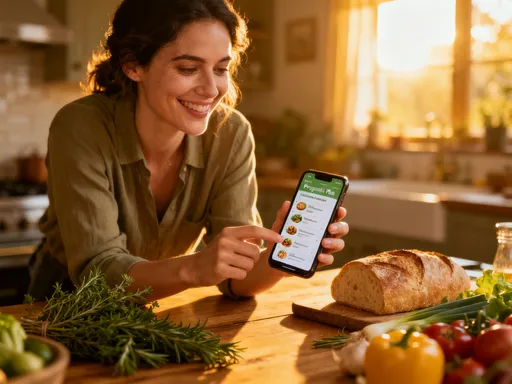
I started experimenting one quiet morning. I opened the Notes app on my phone—yes, the one I used for grocery lists—and tapped the camera icon. I held my phone over a receipt, clicked, and watched as it automatically adjusted the edges, corrected the lighting, and saved it as a clean PDF. No setup. No cables. Just point, shoot, and save. I did it again with a school form, then a warranty card. Each scan took less than ten seconds. I didn’t need to be a tech expert. I just needed to see my phone differently—not as a source of distraction, but as a tool for calm.
The shift wasn’t in the technology. It was in my mindset. Once I stopped seeing my phone as just a social media portal and started seeing it as a tiny assistant for real-life problems, everything changed. I wasn’t replacing my brain with tech. I was using tech to free up my brain. And that made all the difference.
The 60-Second Scan: A Habit That Changed Everything
I didn’t start with a grand plan. No spreadsheets. No color-coded folders. I started with one scan. One document. One moment of saying, “I can do this now, not later.” I was standing in line at the pharmacy, waiting for my son’s prescription, when I remembered a receipt from yesterday’s hardware store run. Instead of shoving it into my purse, I pulled out my phone, opened the app, and scanned it in 45 seconds. I named it “2024-05-hardware-receipt” and saved it to my “Home Expenses” folder. Just like that, it was done.
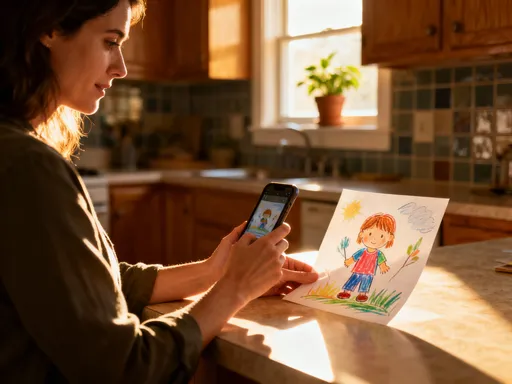
That tiny win sparked something. The next day, while waiting for the microwave to finish reheating my coffee, I scanned my daughter’s latest art project—a colorful scribble labeled “Mom, I love you.” I saved it to a folder called “Kids’ Art,” knowing it would survive the inevitable juice spills and dog chews. Then came the school permission slip, the insurance card, the recipe from a magazine. Each scan took less than a minute. Each one felt like a small act of reclaiming control.
Within a week, my kitchen table was clear. Within two weeks, I’d scanned over 100 pages. I wasn’t doing it all at once. I was doing it in the in-between moments—while waiting, while multitasking, while breathing. I stopped saving scanning for “someday” and started doing it “right now.” And that shift—from delay to action—was transformative.
Here’s what I learned: you don’t need big blocks of time to get organized. You need tiny, consistent actions. Scanning one document a day builds a system. Scanning three a week keeps it alive. It’s not about speed. It’s about rhythm. And once you find that rhythm, clutter starts to feel optional, not inevitable.
Naming Files So You’ll Actually Find Them Later
Let’s be honest: I used to name files “scan_001,” “scan_002,” and so on. Then, six months later, when I needed that one document about the home warranty, I’d search “scan” and get 47 results. Sound familiar? I’d click through each one, heart racing, hoping it was the right one. More than once, I ended up printing and rescanning the same document because I couldn’t find the original. It was maddening.
Then I discovered the magic of smart naming. I started using a simple system: date first, then keyword. For example, “2024-05-vaccine-record” or “school-field-trip-consent-June.” No vague names. No numbers. Just clear, searchable labels. The difference was instant. When my daughter needed her immunization records for camp, I opened my phone, typed “vaccine” in the search bar, and found it in two seconds. No stress. No digging. Just results.
I taught my kids to do the same. My oldest now saves her science fair projects as “2024-science-fair-plant-growth” instead of “project final final 2.” My youngest calls out, “Mom, where’s the pizza party permission slip?” and I say, “Check the ‘School Forms’ folder,” and she finds it herself. We’ve created shared digital spaces—“Family Medical,” “Home Warranty,” “Pet Records”—so everyone knows where to look. No more frantic calls before appointments. No more last-minute scrambles. Just calm, clear access.
This isn’t about perfection. It’s about intention. Taking ten extra seconds to name a file properly saves ten minutes—or more—later. And that’s the kind of math that adds up to real peace.
Cloud Safety Without the Confusion
I’ll admit it: I was nervous at first. What if my phone died? What if I dropped it in the sink? What if I lost it at the park? All those scans—gone? That fear almost stopped me before I started. But then I learned about cloud backup. And no, I didn’t have to become a tech wizard. I just opened the settings in my scanning app—whether it’s Notes, Google Drive, or Adobe Scan—and turned on automatic sync. That’s it.
Now, every time I save a scan, it automatically uploads to a secure cloud storage account. I use Google Drive because it’s free, reliable, and easy to share. But iCloud, Dropbox, or OneDrive work just as well. The key is consistency: set it once, forget it, and trust it. Even if I lose my phone, every document is safe, backed up, and accessible from any device.
I also share certain folders with my partner. When we need the car registration or the home insurance policy, we don’t both go digging. We know it’s in the “Important Docs” folder, synced and updated. No double work. No confusion. Just teamwork. And that’s huge when life gets busy.
This isn’t about being paranoid. It’s about being prepared. It’s about knowing that your system works, so you can stop worrying and start living. The cloud isn’t some mysterious tech concept—it’s your digital safety net. And once you have it, you’ll wonder how you ever lived without it.
Scanning Beyond Paper: Preserving What Matters
Here’s the part I didn’t expect: scanning didn’t just help me manage bills and forms. It helped me preserve memories. I started scanning old letters—my grandmother’s handwriting on delicate stationery, my kids’ scribbled notes from preschool, even a grocery list I wrote the week I brought my newborn home. These weren’t documents. They were treasures.
One rainy afternoon, I scanned a stack of my daughter’s early drawings—crayon rainbows, lopsided hearts, a family portrait where everyone had three eyes. I saved them in a folder called “Childhood Art.” Later, I emailed a few to my mom. She called me that evening, voice soft. “I got the drawings,” she said. “I was looking at the one where you’re holding her as a baby. I cried. I forgot how small she was.”
That moment changed everything. I realized tech wasn’t just for efficiency. It was for emotion. By scanning these fragile pieces of paper, I wasn’t just protecting them from spills or lost backpacks—I was preserving moments that could never be recreated. I scanned recipes written on napkins, report cards with teacher notes, even a birthday card from my husband from ten years ago. Each one felt like a tiny act of love.
And the best part? I can pass them on. My kids will have these files long after the original papers fade. Technology didn’t replace the human touch—it protected it.
A Calmer Home, One Scan at a Time
Looking back, the real victory wasn’t scanning 300 pages in an hour. It was the quiet that followed. The kitchen table stayed clear. The arguments about missing forms faded. The panic before appointments disappeared. My home felt lighter, more open, more like a place to live—not just a place to manage.
I’m not perfect. Sometimes paper still piles up. A school flyer lands on the counter. A receipt slips into my coat pocket. But now I know the fix is in my pocket. I don’t need to set aside a whole weekend to catch up. I can scan five pages while my pasta boils. I can clear a week’s worth of clutter in the time it takes to fold laundry.
This tiny habit didn’t just organize my life. It gave me back time. It gave me back focus. It gave me back joy. I have more mental space to listen to my kids, to plan meals, to breathe. I’m not chasing paper anymore. I’m living.
And that’s the kind of tech everyone deserves—not flashy gadgets or complicated systems, but simple tools that make life easier, calmer, and more meaningful. Your phone isn’t just a device. It’s a lifeline. A helper. A quiet revolution in your pocket. So go ahead. Pick it up. Point it at that stack of paper. Click. Save. Breathe. You’ve got this.