I missed my mom’s birthday again — How a smart reminder finally fixed my memory mess
We’ve all been there — scrolling through photos, suddenly realizing we forgot someone’s birthday, a parent’s anniversary, or a friend’s big moment. That pang of guilt hits hard. But what if your phone could remember not just the date, but *why* it matters? Not with cold alerts, but warm, personal nudges that feel like love, not a to-do list. This is no ordinary reminder — it’s how I stopped missing moments that matter. It started with a single missed call, a quiet voicemail, and the sinking feeling that I’d let someone I love down. Again.
The Guilt of Forgotten Moments
It was a Tuesday morning when I finally listened to the voicemail. "Hey sweetie," my mom’s voice began, soft and cheerful, "just wanted to hear your voice today. No rush, no pressure." I froze. It was May 12th. Her birthday. And I’d forgotten. Again. I sat on the edge of my bed, phone in hand, heart heavy. I hadn’t meant to forget. In fact, I’d told myself all week, "Don’t forget Mom’s birthday." But between school drop-offs, work deadlines, and the endless scroll of emails and texts, the date slipped through like sand. I called her back, apologized, sent flowers late, and promised to make it up. But the damage was done — not to our relationship, not really, but to how I saw myself. I used to be the kind of person who remembered. Now? I felt like I was failing the people I loved most.
And I know I’m not alone. So many of us carry this quiet guilt — the forgotten anniversary, the cousin’s graduation, the friend who lost a pet and we meant to check in. We’re not bad people. We’re not unloving. We’re just overwhelmed. Our brains are flooded with information, notifications, tasks. We rely on calendars, sure, but even those feel like cold, mechanical things. A red dot on a date. A buzz at 9 a.m. But they don’t tell us *why* that date matters. They don’t show us the photo of Mom laughing at the beach last summer, or play the voice note from my nephew saying, "I love you, Auntie." That’s the problem — our tools remember the *when*, but not the *why*. And without the why, it’s so easy to miss the moment.
From Cold Alerts to Warm Reminders
I used to think the solution was just better discipline. Set more alarms. Write things down. Color-code my calendar. But the truth is, I don’t need more alerts — I need *meaningful* ones. That’s when I started noticing how some apps were changing. Not just reminding me to pay a bill or pick up groceries, but actually *understanding* the emotional weight behind certain dates. It wasn’t magic. It was design with heart.
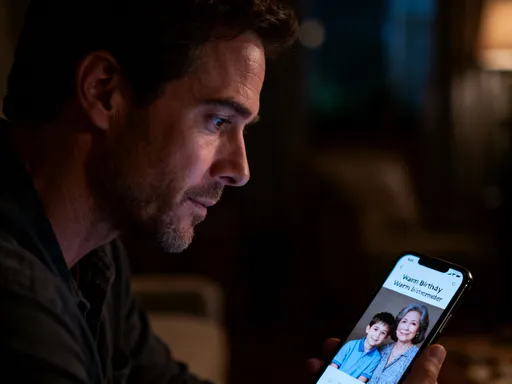
Take the difference between two notifications. One says: "Call Mom — Birthday." The other says: "It’s Mom’s birthday! Remember that picnic last year when she tried the lemon cake and said it was ‘almost as good as Grandma’s’? She’d love to hear your voice today." Which one makes you want to pick up the phone? The second one does, right? Because it doesn’t just tell you *what* to do — it reminds you *why* it matters. That’s the shift. Today’s smarter reminder systems aren’t just task managers. They’re memory keepers. They learn your relationships. They store little details — like how your sister hates surprise parties but loves handwritten notes, or how your dad always answers the phone with "Hello, sunshine." Over time, these tools start to feel less like apps and more like thoughtful friends.
The key? They don’t treat all reminders the same. "Buy toothpaste" doesn’t get the same treatment as "Dad’s first Father’s Day since Mom passed." The best ones use context — time of day, past behavior, even your tone in messages — to deliver nudges that feel personal, not robotic. And that makes all the difference. Because when a reminder feels like it *knows* you, you’re more likely to act on it. Not out of duty, but out of love.
How Membership Benefits Became Personal Memory Keepers
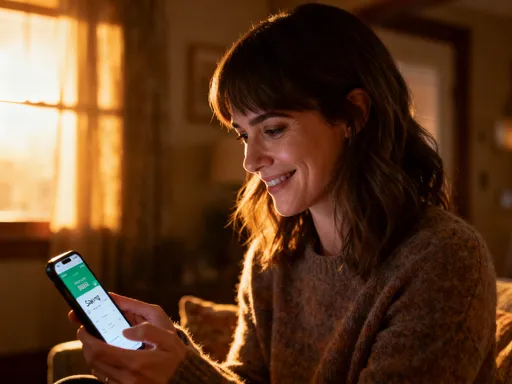
Here’s something I never expected: my shopping app started helping me be a better daughter. Sounds strange, right? But think about it. Every year, I buy my mom a cozy sweater from the same brand. I always pick the softest one, in a warm color — usually burgundy or oat. I’ve done it for seven years. And recently, in early April, I got a message: "Your mom’s birthday is coming up. The burgundy knit she loved last year is back in stock. Want to pre-order?" Below it was a photo I’d uploaded — her wearing the sweater, smiling by the fireplace.
That’s when it hit me. These platforms aren’t just tracking purchases. They’re learning *rituals*. They see the patterns — the birthday books for my niece, the coffee gift card for my best friend every January, the same floral arrangement I send my sister every spring. And instead of just offering discounts, they’re starting to *anticipate* my emotional needs. Some even suggest writing a message using the tone I usually do — warm, a little playful, always ending with "Love you." It’s not about selling more. It’s about making caring easier.
I used to worry this was creepy. Like the app was watching me. But then I realized — I *let* it learn. I chose to save those photos. I tagged my mom in memories. I allowed the app to remember what matters. And in return, it gives me back time, peace of mind, and a little emotional support. It’s like having a quiet assistant who knows your family’s rhythm. And honestly? I’m grateful. Because now, instead of scrambling last-minute, I can plan ahead, choose something meaningful, and send it with love — not guilt.
The Magic of Moment Recording Capability
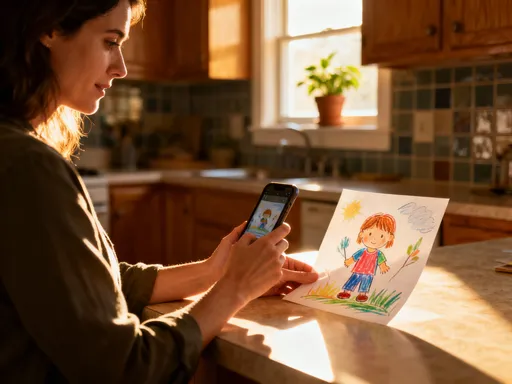
The real game-changer for me was discovering *moment recording*. It’s a feature in some newer apps that lets you attach a voice note, photo, or short video to a reminder. So now, when I set a birthday alert for my mom, I don’t just put the date. I add a 20-second clip from last year — her opening a gift, laughing, saying, "You didn’t have to do this!" I save that inside the reminder.
Now, when the notification pops up, it’s not just text. It’s *her*. I tap it, and I hear her laugh. And suddenly, calling her isn’t a chore. It’s a joy. It’s like the app says, "Hey, remember how much she smiled last time? Do that again." That emotional trigger makes all the difference. It turns a to-do into a connection.
And it’s not just for birthdays. I’ve started using it for smaller things too. A reminder to check in on my sister after her surgery has a voice note from her saying, "I’m doing better, thanks for asking." A note for my son’s first day of middle school has a video of him grinning in his new backpack. These aren’t just memories — they’re *emotional fuel*. They remind me why these moments matter. And the best part? These recordings are private. Encrypted. Stored only on my devices or in secure cloud storage. No ads. No data mining. Just a safe, quiet place where my feelings live alongside my calendar.
I think of it like a digital memory box — but one that *reaches out to me* when it’s time to care. And that’s powerful. Because sometimes, we don’t forget because we don’t care. We forget because life gets loud. And a little nudge with a familiar voice? That’s enough to bring us back.
Building Rituals, Not Just Reminders
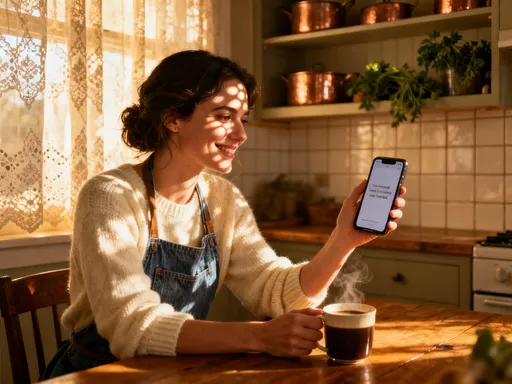
What I didn’t expect was how these smart reminders would help me build *rituals*. At first, I just wanted to stop forgetting. But over time, these little nudges became part of how I show love. Every Mother’s Day, my phone reminds me at 7 a.m. with a photo from the year before and a prompt: "Send a voice note?" So I do. I record something simple — "Happy Mother’s Day, Mom. I’m thinking of you. Love you so much." I don’t write it. I just speak from the heart. And she saves every one.
Same with my nephew’s birthday. Every August, I get a reminder with a collage of past years — him blowing out candles, holding a toy, hugging me. The app asks, "Want to record a quick message for him this year?" And I do. It takes two minutes. But it means the world to him. His mom told me he plays it over and over. "Auntie remembered," he says. "She made a video just for me."
These aren’t grand gestures. But they’re consistent. And consistency builds connection. I used to think rituals had to be big — annual trips, holiday traditions, handmade cards. But now I see that small, tech-assisted moments can become rituals too. The key is heart. The tech doesn’t replace the emotion — it *enables* it. It removes the friction, the forgetfulness, the guilt. And what’s left? Just love, showing up, again and again.
And the beautiful thing? My family started doing it too. My sister now sends my mom a voice message on her birthday. My cousin set up a reminder to call her grandma every Sunday. These tools aren’t making us lazy. They’re helping us care better — in ways that fit our busy lives.
Privacy and Trust: Keeping It Real, Not Robotic
Now, I know what you’re thinking. "Wait — you’re letting an app hold your memories? Isn’t that risky?" I asked myself the same thing. Sharing voice notes, photos, personal messages — it feels vulnerable. And it should. That’s why I’m careful about what I use. I only trust platforms that treat my data like a diary, not a database.
Here’s what matters to me: end-to-end encryption. That means only I can access those recordings — not the company, not hackers, not advertisers. I also look for apps that are opt-in only. If I don’t want my birthday reminder to include a photo, I can turn it off. No defaults that share more than I’m comfortable with. And absolutely no ads based on my personal moments. I don’t want a diaper ad because I saved a video of my nephew — that would ruin the trust.
I also pay attention to how the app *feels*. Does it pressure me to share? Or does it respect my silence? The ones I keep using are the ones that feel quiet, gentle, unobtrusive. They don’t spam me. They don’t beg for reviews. They just show up when it matters, then step back. That’s how I know they’re designed with care, not conversion.
Trust isn’t built in a day. It’s built every time I get a reminder that feels warm, not salesy. Every time I know my mom’s laugh is safe. Every time I see that the app respects my boundaries as much as it supports my love. And that’s worth more than any feature list.
A Smarter, More Human Way to Care
At the end of the day, this isn’t about technology. It’s about love. It’s about showing up for the people who matter, even when life gets loud. I used to think being a good daughter, a good friend, a good aunt, meant remembering everything in my head. But I’ve learned that caring isn’t about memory — it’s about intention. And sometimes, the most loving thing we can do is use a tool that helps us follow through.
The right tech doesn’t make us cold or robotic. It does the opposite. By holding the details — the dates, the preferences, the memories — it frees our hearts to feel. I no longer dread opening my calendar. Now, I look forward to it. Because each notification isn’t a demand. It’s an invitation. "Your cousin’s promotion anniversary is coming up — want to send that voice note you recorded last year?" "Your best friend had a tough week — send a quick check-in?" These prompts don’t control me. They connect me.
And that day I forgot my mom’s birthday? It still stings a little. But it also taught me something important: I don’t have to be perfect. I just have to be present. And with a little help from a smart reminder, I finally can be. Not because I never forget — I do. But because now, forgetting doesn’t mean failing. It just means I need a nudge. And that nudge? It doesn’t come from a machine. It comes from the love I’ve already stored, waiting to be shared again.