What If Your Phone Could Help You Be a Better Friend?
Have you ever forgotten a friend’s birthday, missed catching up for months, or struggled to find the right words in a tough moment? You’re not alone. Friendships matter deeply, but life gets busy. What if the smart technology already in your pocket could gently guide you to show up more meaningfully? It’s not about replacing real connection—it’s about using everyday tools to deepen it. Imagine your phone not just as a device for scrolling and shopping, but as a quiet partner in care, reminding you when someone you love might need a word, a laugh, or just to feel seen. That’s not science fiction. It’s already possible—and closer than you think.
The Quiet Crisis in Modern Friendships
Let’s be honest—staying close to friends doesn’t always come easily, even when we want to. We’re living in a time of constant motion. Between school pickups, work deadlines, household chores, and personal commitments, it’s no wonder that friendships often slip into the background. You don’t stop caring—you just get distracted. And over time, those small gaps in communication grow. A week becomes a month, a month becomes half a year, and suddenly, you’re not sure how to start the conversation again.
Studies show that many adults feel increasingly isolated, despite being more digitally connected than ever. Social media gives us glimpses into others’ lives, but it doesn’t always foster real intimacy. We see a friend’s vacation photos but miss the quiet struggles they’re facing. We like a post but don’t send a message asking how they’re really doing. The result? A quiet ache—a sense that we’re surrounded by people, yet somehow still alone.
And here’s the truth: friendships aren’t low-maintenance. They need attention, just like any meaningful relationship. But unlike family or work ties, there’s no built-in structure to keep them going. No mandatory weekly meetings, no shared home life. If you don’t make space for them, they fade. The good news? You don’t have to do it all on your own. What if your phone could help you stay on track—without turning friendship into a chore?
How Smart Recommendation Systems Work (Without Feeling Robotic)
You’ve probably noticed how your phone already knows a surprising amount about you. It suggests restaurants near your usual commute, reminds you to leave early for appointments based on traffic, and even predicts the next word you’re about to type. These are all powered by smart recommendation systems—algorithms that learn from your behavior to offer helpful suggestions. But what if that same technology could be used not just for convenience, but for kindness?
Modern smartphones are designed with privacy in mind, and none of this works without your permission. But when you opt in, these systems can quietly track patterns in your communication—how often you message certain friends, the tone of past conversations, and important dates like birthdays or life events you’ve mentioned. It’s not about reading your mind. It’s about noticing what you might have missed in the rush of daily life.
Think of it like having a thoughtful assistant who knows your schedule, remembers your relationships, and gently says, “Hey, you haven’t talked to Maria in three weeks—and she mentioned her job interview was this week. Maybe check in?” No pressure, no guilt—just a simple nudge to reconnect. These aren’t random alerts. They’re personalized, context-aware prompts that feel less like a robot and more like a friend looking out for you.
And the best part? The more you use it, the better it gets. If you respond positively to a reminder to call your sister, the system learns that those prompts are helpful. If you ignore a suggestion, it adjusts. It’s not trying to control your behavior—it’s learning how to support you in a way that feels natural, not forced.
Turning Data into Thoughtful Gestures
One of the hardest parts of staying connected is knowing what to say—and when. You might care deeply, but in the moment, you freeze. Was it last week or two weeks ago that your friend mentioned her dog was sick? Did she ever tell you how the doctor’s appointment went? Memory is fragile, especially when you’re juggling so much. But what if your phone could help you remember the details that matter?
Smart systems can scan your past messages—not to spy, but to highlight emotional cues. For example, if your friend wrote, “I’m so nervous about the presentation tomorrow,” the system might later suggest: “Follow up with Lisa—she had a big presentation last week. Ask how it went.” That’s not just convenient; it’s emotionally intelligent. It turns a vague sense of “I should check in” into a specific, meaningful action.
These tools can also help you tap into shared history. Maybe you and your best friend have a running joke about a terrible movie you both love. The system might suggest sending a meme from that film on a tough day. Or if someone mentioned they were starting therapy, it could gently prompt you two months later: “You talked about starting counseling in February. How’s that going?” These aren’t scripted messages. They’re memory aids that help you be more present, more personal, and more thoughtful—without having to keep everything in your head.
And let’s be real: sometimes, a small gesture is all it takes. A two-sentence text can remind someone they’re not alone. A voice note with your laugh can brighten a dark day. Technology doesn’t create the care—but it can help you express it at the right moment, even when you’re overwhelmed.
Real-Life Moments: When Tech Made a Difference
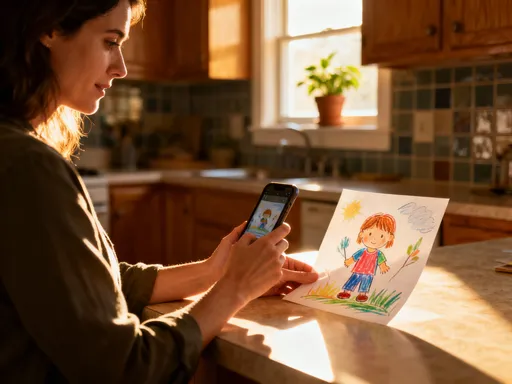
Take Jamie, a mom of two in Portland, who had been meaning to reach out to her college best friend, Maya, for weeks. Maya had been going through a rough patch—therapy, medication changes, days when getting out of bed felt impossible. Jamie wanted to support her, but between work and kids, the days slipped by. Then one evening, her phone lit up with a soft notification: “Maya hasn’t replied to your last three messages. She mentioned feeling isolated last month. Send a voice note?”
At first, Jamie hesitated. Was it too much? Too little? But she hit record anyway. “Hey, just wanted to hear your voice,” she said, her tone warm and casual. “No need to reply—just know I’m here.” Two hours later, Maya called back, crying. “I was having one of those nights,” she said. “Your message was the first thing that made me feel okay.” That small nudge didn’t fix everything—but it kept the connection alive.
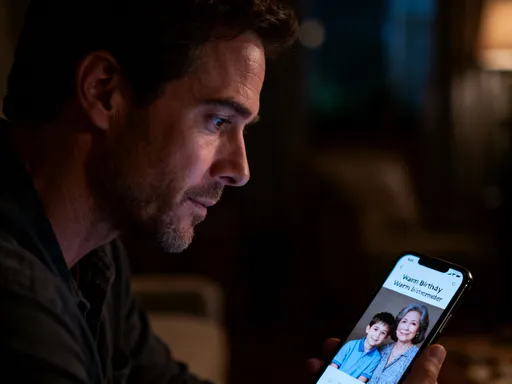
Or consider Taylor, who moved across the country for a new job and slowly lost touch with an old friend, Jordan. Six months passed without a word. Taylor felt guilty but didn’t know how to restart the conversation. Then, on Jordan’s birthday, Taylor’s phone suggested: “Jordan’s birthday is today. You haven’t messaged in 182 days. Send a photo from your beach trip last summer?”
Taylor opened the photo—a silly selfie with sand in their hair—and typed: “Remember this? Miss those days. Hope you’re doing well.” Jordan replied within minutes: “I can’t believe you remembered. I’ve missed you.” They’ve been texting weekly ever since.
These aren’t isolated cases. Across the country, people are using smart prompts to send songs that remind them of a friend, share articles that match their interests, or simply say, “I saw this and thought of you.” The technology didn’t create the bond—it helped revive it. And in a world where so much feels temporary, that kind of reconnection is priceless.
Privacy, Trust, and Keeping It Human
Now, I know what you might be thinking: “Wait—does this mean my phone is listening to everything I say? Is it tracking my emotions?” The short answer: no, not unless you say it’s okay. These systems are built on user consent. You choose which features to enable, which relationships to tag, and what kind of reminders you want. Everything stays on your device unless you opt in to cloud syncing—and even then, data is encrypted and anonymized.
This isn’t about surveillance. It’s about support. Think of it like a journal that helps you remember what matters. You’re still in control. The phone doesn’t decide who you should care about—it just helps you act on the care you already feel. And if you ever feel uncomfortable, you can turn it off with one tap.
The goal isn’t to replace human intuition with algorithms. It’s to enhance it. We all forget things. We all get busy. But that doesn’t mean we stop caring. Technology can’t feel empathy, but it can help us express it more consistently. It’s like having a gentle coach in your pocket, reminding you to be the kind of friend you already want to be.
And let’s not forget: the most important part of any conversation is still you. The phone suggests the moment, but you bring the voice, the tone, the love. It doesn’t write your messages—it just helps you remember to send them. That balance—between smart tools and human warmth—is what makes this approach trustworthy, ethical, and truly useful.
How to Start Using Tech to Nurture Friendships Today
You don’t need a new phone or a fancy app to begin. Most modern smartphones already have features that can help—many of which you might not even know about. Start simple. On your iPhone or Android, you can enable message insights that show how often you communicate with certain contacts. You can label close friends in your contacts app—like “Bestie,” “Work Friend,” or “Sister from Another Mother”—so your phone knows who matters most.
Next, turn on gentle reminders for birthdays and anniversaries. Not just birthdays—think of friendship milestones, too. Did you meet your best friend on a study abroad trip in 2008? Mark that date. Let your phone celebrate the moments that shaped your bond. And don’t underestimate the power of photo memories. Both iOS and Android automatically surface “On This Day” photos. When you see a picture of you and your friend laughing at a concert, send it with a note: “Remember this? Still makes me smile.”
Try using voice messages more often. They feel more personal than text and take just seconds to record. If your phone suggests reaching out, don’t overthink it. A quick “Thinking of you” voice note can mean more than a long, delayed email. And if you see a meme, song, or news story that reminds you of someone, send it—even if it’s just one word: “You.”
The key is consistency, not perfection. You don’t have to call everyone every week. But if your phone reminds you once a month to check in with a friend you’ve lost touch with, and you do it—over time, those small actions add up. You’ll feel more connected. They’ll feel seen. And your relationships will grow stronger, not because of technology, but because technology helped you show up.
The Bigger Picture: Tech That Serves Emotional Well-Being
We often think of technological progress in terms of speed, efficiency, or entertainment. Faster processors. Smarter assistants. More streaming options. But what if the real measure of smart technology isn’t how much it does for us—but how much it helps us care for each other?
Imagine a future where our devices don’t pull us away from real life, but gently guide us back into it. Where notifications don’t just sell us things or demand our attention, but remind us to be kind. Where our phones celebrate our relationships as much as our purchases. That future isn’t far off—and it starts with small, human-centered choices today.
Because at the end of the day, we all want the same things: to be loved, to be remembered, to feel like we matter. And we want to give that same comfort to the people we care about. Technology will never replace a hug, a shared meal, or a long-overdue conversation. But it can help us get there. It can help us remember. It can help us reach out.
So the next time your phone pings with a quiet suggestion—“Text your sister. She’s been quiet lately.”—don’t ignore it. See it for what it really is: not a digital interruption, but a small invitation to be human. And when you respond, you’re not just using technology. You’re using it to be a better friend. And that? That’s the kind of progress we can all believe in.