Tired of guessing what to eat every day? This app made healthy choices effortless
How many times have you stood in front of the fridge, unsure what to eat—again? You’re not alone. Balancing taste, nutrition, and time feels like a daily battle. I used to skip meals or grab whatever was quick, until I found an app that didn’t just track calories, but actually got my habits. It didn’t judge. It adapted. Within days, eating well felt less like a chore and more like a natural part of my day. Let me show you how it changed everything.
The Daily Struggle: When Eating Healthy Feels Impossible
Remember that moment last Tuesday when you opened the fridge for the third time, hoping something new would magically appear? You’re not imagining things—this is real, and it happens to so many of us. We want to eat better. We read the articles, save the recipes, maybe even buy the organic veggies. But by 6 p.m., after helping with homework, folding laundry, and answering work emails, the last thing we want is to figure out dinner—again. So we fall back on the same three meals, or worse, eat nothing at all.
It’s not laziness. It’s exhaustion. Decision fatigue is real, and it hits hard when you’ve been making choices all day—from what to wear to how to respond to that tricky text. By mealtime, your brain is whispering, “Just pick something. Anything.” And that’s when old habits sneak in: the frozen pizza, the takeout menu, the snack drawer raid. We don’t fail because we lack willpower. We fail because we lack a system that works with our lives, not against them.
I used to feel guilty every time I gave in. Like I was failing my body, my family, my goals. But the truth is, no amount of motivation can carry you through a week of back-to-back demands. What I needed wasn’t more discipline. I needed support—something that understood my rhythm, my cravings, my busy reality. That’s when I realized: maybe the problem wasn’t me. Maybe it was the tools I was using.
Discovering the App: A Tool That Feels Like a Friend, Not a Taskmaster
One rainy afternoon, while scrolling through a wellness newsletter, I saw a small ad: “Eat better without the stress.” I almost swiped past it—until the next line caught me: “No calorie counting. No guilt. Just food that fits your life.” That sounded too good to be true. But I was tired of fighting with food, so I downloaded it.
The first thing I noticed? It didn’t ask me to log every bite or set a weight goal. Instead, it asked, “What kinds of meals make you feel good?” and “When do you usually cook?” It felt like someone was finally asking the right questions. No shame. No rigid rules. Just curiosity. I answered honestly—sometimes I love cooking, sometimes I need 10-minute meals, and yes, I do have a soft spot for dark chocolate.
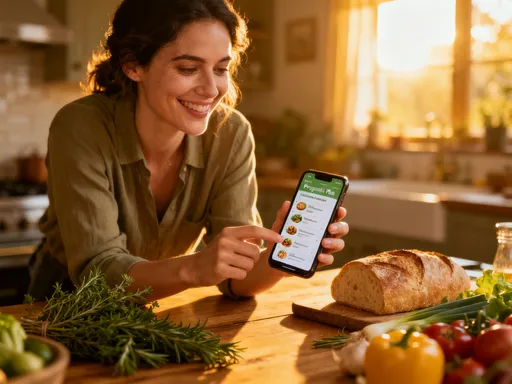
A few days in, it suggested a lentil and sweet potato bowl with turmeric and coconut milk. I rolled my eyes—this sounded like something from a trendy café, not my kitchen. But I was out of ideas, so I tried it. And wow. It was creamy, satisfying, and filling—without being heavy. My kids even asked for seconds. That’s when it hit me: this app wasn’t trying to turn me into someone else. It was helping me become more like the version of myself I wanted to be—someone who eats well without sacrificing joy.
What made the difference was how it responded to me. If I skipped a meal, it didn’t scold me. If I logged a cookie, it didn’t mark it as a failure. Instead, it asked, “How are you feeling today?” and adjusted its suggestions based on my mood. Some days it offered quick energy boosters; other days, calming herbal tea and warm oats. It felt less like an app and more like a thoughtful friend who knew when I needed structure and when I just needed grace.
How It Learns What You Love—And Helps You Grow
So how does it work? Think of it like a music app that learns your taste. At first, it makes broad suggestions. But the more you listen—or in this case, eat—the smarter it gets. Every time you log a meal, rate how you feel, or mark a recipe as “love” or “never again,” the app takes note. Over time, it starts recognizing patterns: you love hearty soups on cold nights, you need protein to stay full during long afternoons, and you’re more likely to cook when you get home before 6:30.
It’s not using complicated jargon or pushing fads. It’s simply paying attention. And because it learns from real-life context, its suggestions actually fit. For example, it knows I’m usually rushing on weekday mornings, so it doesn’t suggest avocado toast with poached eggs unless I’ve marked “I have time today.” Instead, it offers quick smoothie combos or overnight oats with fruit I already have in the fridge. On weekends, when I’m more relaxed, it introduces new recipes—like a chickpea curry or a roasted vegetable frittata—that feel fun to try, not forced.
One of the most powerful features is how it connects food to how you feel. After a few weeks, I started noticing trends: when I ate a balanced breakfast, I had more energy by mid-morning. When I skipped lunch, I felt irritable by 3 p.m. The app gently highlighted these patterns with simple visuals—no graphs, no pressure—just gentle reminders like, “You felt your best on days with more veggies.” That kind of insight made me curious, not guilty. I wasn’t being told what to do. I was being shown what was already working—and invited to do more of it.
And because it adapts, it grows with you. When I started walking more, it suggested snacks with a bit more protein to support my energy. When I traveled, it adjusted portion suggestions and even offered local food ideas based on my destination. It wasn’t rigid. It was responsive—like a co-pilot who knows the route but lets you drive.
Turning Knowledge Into Habit: Small Wins That Add Up
Here’s what surprised me most: I didn’t need a big transformation to feel different. It was the tiny shifts that made the biggest impact. The app didn’t set me up to “lose 20 pounds in 30 days.” Instead, it celebrated small wins—like drinking water first thing in the morning, adding spinach to my eggs, or choosing an apple over chips when I was bored.
Each time I did something healthy, the app sent a quiet notification: “Nice choice! How do you feel?” Not braggy. Not pushy. Just kind. And because it asked how I felt, I started paying attention. I noticed I had clearer skin, fewer afternoon crashes, and better sleep. These weren’t dramatic changes—they were subtle, but they added up. And that’s when something shifted: I wasn’t doing it for a number on the scale. I was doing it because I liked how I felt.
The app also helped me build routines without rigidity. It learned when I was most likely to cook, so it sent recipe ideas at just the right time—usually around 4:30 p.m., when I was starting to think about dinner. It didn’t nag. It nudged. And because the suggestions were always realistic—using ingredients I had or could easily get—I actually followed through. Over time, cooking became less of a chore and more of a ritual. I started looking forward to it.
Even more importantly, it taught me to trust myself. Instead of relying on external rules—“carbs are bad,” “never eat after 7”—I learned to listen to my body. The app didn’t replace my intuition. It strengthened it. Now, when I’m hungry, I pause and ask: what do I really need? Energy? Comfort? Hydration? That simple question has changed everything.
Beyond the Plate: How Eating Well Lifts Your Whole Day
One of the most beautiful side effects? Everything else started to feel easier. My energy stabilized. I wasn’t crashing at 3 p.m. anymore. I could finish a work project without needing a second coffee. I had more patience with my kids. I even started reading before bed instead of scrolling mindlessly.
The app helped me see the connection between food and mood in a way no diet plan ever did. I began to notice that on days I ate more whole foods—fruits, vegetables, whole grains—I felt calmer, more focused. On days I ate a lot of processed snacks, I felt foggy and sluggish. The app didn’t shame me for this. It simply showed me the data in a gentle way, like, “On days with more processed foods, you reported lower energy.” That kind of feedback wasn’t about blame. It was about awareness.
And awareness led to change—not because I was forcing myself, but because I wanted to feel good. I started making small swaps: brown rice instead of white, Greek yogurt instead of sugary cereal, a piece of fruit instead of a cookie. Not every day. Not perfectly. But often enough that I noticed a difference. My clothes fit better. My skin glowed. My mind felt sharper.
But more than that, I felt in control. Not in a rigid, obsessive way—but in a calm, confident way. I wasn’t at the mercy of cravings or convenience. I had tools. I had support. I had choices. And that sense of agency spilled over into other areas of my life. I started saying no to things that drained me. I made time for walks. I slept better. Eating well became the foundation for a life that felt more balanced, more intentional, more like me.
Sharing the Journey: When Your Habits Inspire Others
One evening, my daughter looked up from dinner and said, “Mom, this is my favorite meal ever.” It was a simple roasted vegetable and quinoa bowl—something the app had suggested. I smiled, but then something unexpected happened: she asked for the recipe. She wanted to make it for her friend’s birthday lunch. My heart melted. This wasn’t just about me anymore. My choices were shaping her relationship with food.
Soon, my husband started asking, “What’s for dinner?” with actual excitement. Not because he thought it would be fancy, but because he knew it would be good—flavorful, satisfying, and made with care. He even started commenting on how he felt after meals: “I didn’t get that afternoon slump today.” That’s when I realized: healthy eating isn’t a solo journey. It’s a ripple.
At a book club meeting, a friend asked, “You seem different lately. More energized. What’s your secret?” I didn’t talk about diets or restrictions. I just said, “I found an app that helps me eat in a way that feels good.” She asked for the name. A week later, she texted me: “I made the lentil soup you mentioned. My husband loved it!”
What I love most is that I’m not preaching. I’m not saying, “You should do this.” I’m just living differently—and that’s what inspires change. The app makes it easy to share recipes, meal plans, and even grocery lists. I’ve started sending my sister quick ideas for her busy week. We’ve even cooked together over video call, laughing as we both tried a new stir-fry recipe. It’s not about perfection. It’s about connection. And that makes all the difference.
A Smarter, Softer Way to Live: Why This Feels Like the Future of Self-Care
Looking back, I realize I wasn’t just looking for better meals. I was looking for a better way to live. I wanted to feel strong, clear, and calm—not stressed, scattered, and guilty. And what this app gave me wasn’t a diet. It was a mindset. A way of caring for myself that didn’t require sacrifice, but celebration.
Technology doesn’t have to be cold or complicated. It can be warm. It can be kind. It can meet you where you are—with your messy kitchen, your busy schedule, your love of chocolate—and say, “Let’s work with this.” That’s what makes this different. It’s not about fixing you. It’s about supporting you.
And the best part? It’s sustainable. Because it’s not based on rules, it’s based on understanding. It evolves as you do. Some days you’ll eat perfectly. Some days you’ll order pizza. And that’s okay. The app doesn’t break. It bends. It stays with you through the seasons of life—busy weeks, quiet weekends, holidays, stress, joy.
Now, when I stand in front of the fridge, I don’t feel stuck. I feel curious. I wonder what I might enjoy today. What will make me feel strong? What can I share with my family? That shift—from stress to curiosity—is everything. It’s not just about food. It’s about freedom. The freedom to choose, to grow, to live well—without the weight of perfection.
So if you’re tired of guessing what to eat, of feeling guilty, of starting over every Monday—know this: there’s another way. A softer, smarter, kinder way. One that doesn’t ask you to be perfect, just present. One that helps you build a life where eating well isn’t a chore, but a quiet act of love—for yourself, and for everyone around you.