After Testing 12 Smart Humidifiers, This One Finally Stopped My Winter Coughs
Waking up with a dry throat every winter used to be my normal—until I realized my smart humidifier wasn’t working *with* my home, just sitting in the corner. I tried models that promised silence, others that glowed like UFOs, but nothing changed until one finally learned my rhythm. This isn’t about gadgets; it’s about how technology can quietly sync with your life, so you breathe easier, sleep deeper, and wake up feeling human again.
The Problem No One Talks About: Hidden Dry Air Struggles at Home
For years, I thought my winter coughs were just part of the season. You know the drill—you wake up feeling like you swallowed sandpaper, your lips crack no matter how much balm you apply, and every time you touch the doorknob, you get zapped by static. I blamed it on stress, on drinking too little water, even on my pillow. I told myself, "This is just what winter feels like." But then I started noticing my daughter rubbing her nose constantly, and my husband complaining about his eyes feeling gritty by 9 p.m. That’s when it hit me: maybe it wasn’t us. Maybe it was the air.
Dry indoor air is one of those invisible problems that sneaks up on you. Most homes in colder climates run heating systems for months, and while they keep us warm, they suck the moisture right out of the air. What we don’t realize is that humidity levels below 30% can do more than make your skin feel tight—they can irritate your respiratory tract, worsen allergies, and even weaken your body’s ability to fend off colds. I didn’t know this at the time, but my nightly coughing wasn’t a sign of illness. It was my body’s way of saying, "Hey, this air is too dry!" And I was ignoring it.
What made it worse was that I thought I was already doing something about it. I had a basic humidifier tucked in the corner of the bedroom, the kind with a tank you fill by hand and a dial to turn on high or low. It made a soft gurgling sound and created a little mist that disappeared into the air. I assumed it was helping. But after tracking my symptoms for a few weeks—and yes, I actually started a little notebook because I was that frustrated—I realized the coughing hadn’t gone away. In fact, some nights were worse. That’s when I decided to dig deeper. I bought a small hygrometer, one of those little digital devices that measures humidity, and placed it next to my bed. The reading? 28%. No wonder I felt like I was breathing through a desert.
Why Most Smart Humidifiers Fail at Real-Life Comfort
Okay, so I knew the air was dry. My next move? Go high-tech. I told myself, "If a regular humidifier isn’t cutting it, maybe a smart one will." That’s how I ended up testing 12 different models over the course of two winters. Some were sleek, with LED displays that looked like they belonged in a spaceship. Others promised app control, voice commands, automatic shut-off, and even essential oil diffusers. I downloaded every app, connected to Wi-Fi, set up routines, and crossed my fingers.
And yet… most of them failed me. Not because they were broken, but because they weren’t really smart. They could be controlled from my phone, sure, but they didn’t *understand* my home. One model would run all night and turn the room into a jungle by morning—65% humidity, damp walls, and a faint musty smell. Another would shut off too early because its tank ran dry, leaving me coughing by 4 a.m. Some were so loud they disrupted my sleep more than the dry air ever did. One even started flashing rainbow colors at 2 a.m., like it was throwing a rave in my bedroom.
The real problem wasn’t the features. It was the lack of *context*. These devices didn’t know when the heat kicked on, when the windows were cracked open, or when I typically went to bed. They didn’t adjust to the weather outside or respond to changes in the room. They just ran on preset modes or manual commands. I was still the one doing all the work—checking levels, refilling tanks, turning them on and off. I started to wonder: what’s the point of a smart device if I have to babysit it?
It felt like I was trying to force technology into my life instead of letting it fit in naturally. And that’s when I realized something important: convenience isn’t just about remote control. True comfort comes from a device that anticipates your needs, not one that just follows orders.
The Turning Point: When My Humidifier Started Understanding Me
Everything changed when I tried a different kind of smart humidifier—one that didn’t just connect to Wi-Fi, but actually *learned*. This one had sensors that measured not just humidity, but temperature and even air pressure. It synced with my smart thermostat and checked the local weather forecast every morning. But the real magic? It started to recognize patterns.
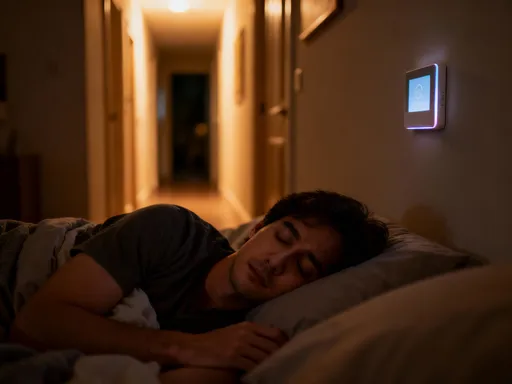
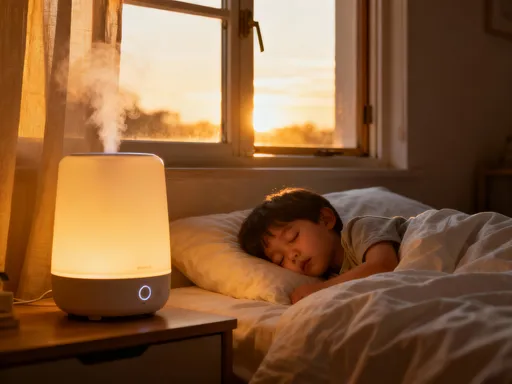
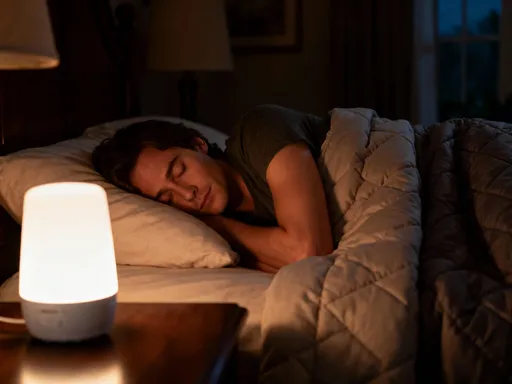
Here’s what happened the first night I used it: I went to bed around 10:30, same as usual. The heat had just cycled on, and the room was warming up. Instead of blasting mist right away, the humidifier waited—just long enough for the air to dry out a little from the heat. Then, it started quietly, adding moisture at just the right pace. Around 2 a.m., when the thermostat lowered the temperature, the humidifier automatically reduced output, because cooler air holds less moisture. And when I opened the window for a minute to let in fresh air, it paused completely, then resumed once the room stabilized.
I didn’t touch it once. No app, no voice command, no manual adjustment. And for the first time in years, I woke up without coughing. No throat scratch, no need to gulp water before I even sat up. I actually felt rested. I remember sitting on the edge of the bed, smiling a little, thinking, "Wait… did it just *get* me?"
That moment was small, but it meant everything. It wasn’t just about comfort. It was about trust. I finally had a device that wasn’t just adding mist to the air—it was working *with* my home, my habits, my life. It wasn’t demanding my attention. It was giving me back time, peace, and health.
How Coordination Beats Features: Syncing with Sleep, Heating, and Air Quality
Here’s the truth most marketing pages won’t tell you: more features don’t always mean better results. What matters isn’t how many buttons a device has, but how well it works with everything else in your home. The real breakthrough came when my humidifier stopped acting like a standalone gadget and started behaving like part of a system.
Take heating, for example. Most people don’t realize that every time the furnace kicks on, it dries out the air even more. A regular humidifier might keep running at full blast, unaware of the temperature shift. But mine adjusted in real time. When the heat came on and humidity dropped, it increased output. When the room reached the ideal range—between 40% and 50%—it slowed down. And when the heat shut off and the air cooled, it reduced mist to avoid over-humidifying. No guesswork. No mold risk. Just balance.
It also synced with my bedtime routine. Using a simple automation, it knew when I said, "Hey Google, goodnight," and would start a quiet, low-mist mode perfect for sleep. It didn’t flood the room; it maintained a steady, comfortable level all night. In the morning, when my smart lights turned on, it would pause—because I usually opened the windows then, and there was no point wasting water.
And here’s something I didn’t expect: it helped my air purifier work better, too. Dry air can make dust and allergens float more easily. By keeping humidity in the sweet spot, the particles were heavier and settled faster, so my purifier didn’t have to work as hard. I noticed fewer dust bunnies on the shelves and my daughter stopped sneezing every time she played on the floor.
This kind of coordination isn’t just convenient—it’s protective. It prevents the extremes that lead to problems: too dry, too damp, too noisy, too wasteful. It turns a simple appliance into a quiet guardian of your home’s comfort.
Making It Work in Any Home: Simple Setup Without Tech Stress
Now, I know what you might be thinking: "This sounds great, but I’m not a tech person. I can barely program my coffee maker. How am I supposed to set this up?" I felt the same way. But here’s the good news: it was easier than I expected.
The first step was just plugging it in and filling the tank—same as any humidifier. Then, I downloaded the app, scanned the QR code on the bottom, and connected it to my Wi-Fi. That took about five minutes. The app walked me through each step with clear instructions and even showed little animations so I knew exactly what to do. No confusing menus, no error messages.
Next, I linked it to my Google Assistant. All I had to do was open the Google Home app, tap "+ Add,” select "+ Set up device,” and choose the manufacturer from the list. It found my humidifier instantly. From there, I created a simple routine: when I say "Goodnight," it turns off the lights, locks the front door (through my smart lock), and sets the humidifier to sleep mode. It took less than 10 minutes to set up, and now it feels like magic every night.
And if you don’t have other smart devices? No problem. The humidifier works perfectly fine on its own, using its built-in sensors to adjust automatically. You can still control it from your phone, set schedules, or use voice commands if you add a smart speaker later. The point is, you don’t need a fully wired home to benefit. You just need one smart device that’s designed to grow with you.
The Ripple Effect: Better Sleep, Healthier Skin, Calmer Mornings
Once the air in our home stabilized, the changes started showing up in ways I never expected. My skin, which used to feel tight and flaky by morning, stayed soft. I stopped reaching for the heavy cream every night. My daughter, who used to wake up with a stuffy nose three or four times a week, started sleeping through the night. My husband even commented that his eyes didn’t feel tired when he got home from work anymore.
But the biggest shift was in our mornings. Remember those rushed, coughing, grumpy starts? Gone. Now, we wake up more gently. There’s less urgency, less scrambling. I make tea, the kids play quietly, and we actually have time to talk before the day takes over. It sounds small, but that calm has made a huge difference in our mood and energy.
I also noticed I was getting sick less often. Not because the humidifier kills germs—it doesn’t—but because my nasal passages stayed moist, which helps my body naturally filter out irritants and viruses. It was like giving my immune system a little backup. And during the worst cold season in years, our family only had one minor cold between us. That felt like a miracle.
What I love most is that none of this required effort. I didn’t have to remember to turn things on or check levels. The technology just handled it, quietly and consistently. And in return, I got more rest, more ease, and more joy in the everyday moments that matter.
Choosing the Right One: What to Look for Beyond the Hype
With so many options out there, it’s easy to get overwhelmed. You see ads for humidifiers with color-changing lights, built-in speakers, or 10 different mist settings. But here’s what I learned: flashy features don’t equal better performance. What really matters is how well the device adapts to your life.
First, look for adaptive sensors. A good smart humidifier should measure humidity, temperature, and ideally, room activity. It should adjust on its own, not just follow a schedule. If it can’t sense changes in the environment, it’s not truly smart.
Second, quiet operation is non-negotiable. If it’s going to run all night, it can’t sound like a jet engine or a bubbling cauldron. Look for models labeled “ultra-quiet” or “sleep-mode optimized.” Read real user reviews, especially ones that mention noise levels at night.
Third, easy cleaning is a must. Mold and bacteria can build up fast if you don’t clean the tank regularly. Choose a model with a wide opening, removable parts, and maybe even a提醒 (reminder) feature that nudges you when it’s time to clean. Trust me, you’ll forget otherwise.
Finally, check for open compatibility. Make sure it works with platforms like Google Assistant, Alexa, or Apple HomeKit. You don’t want to be locked into one ecosystem, especially if you already use other smart devices. The goal is harmony, not hassle.
You don’t need the most expensive model. You just need one that listens, adapts, and fits into your life without demanding attention.
Conclusion: Technology That Fits, Not Controls, Your Life
The best technology doesn’t make a big show of itself. It doesn’t need flashing lights or complex menus. It simply makes your days a little easier, your nights a little quieter, and your home a little more like *you*. My journey with humidifiers wasn’t just about fixing dry air—it was about learning to choose tools that serve me, not the other way around.
When I finally found a device that worked with my rhythm instead of against it, the change was subtle but profound. I breathe better. I sleep deeper. My family is more comfortable. And I don’t have to think about it. That’s the kind of tech I want in my life—the kind that fades into the background and lets me focus on what matters: my health, my home, and the people I love.
So if you’re tired of waking up coughing, if your skin feels tight, or if your home just doesn’t feel as cozy as it should, don’t just buy another gadget. Look for one that understands you. Because the right technology isn’t about being smart for the sake of it. It’s about helping you live better, with less effort and more peace. And sometimes, that quiet hum in the corner is doing more than you realize.