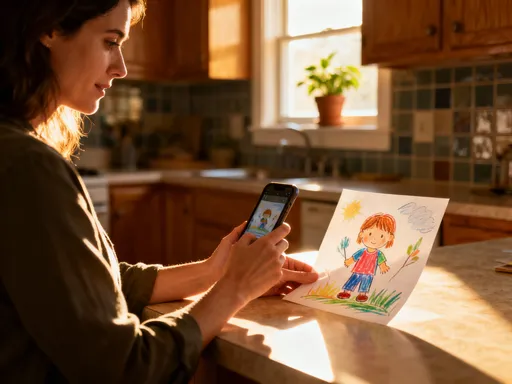
After using 9 interest-based learning apps, this one cut my study time in half
Remember how fun learning felt as a kid—curious, playful, driven by what you loved? As adults, it often becomes a chore. I felt that too, until I found an app that actually understood me. It didn’t just deliver content—it shaped learning around my interests, turning scattered 2-hour study sessions into focused 45-minute wins. This isn’t about grinding harder. It’s about working smarter, with technology that feels like it was made just for you. And honestly? It changed everything.
The Burnout Trap: When Learning Feels Like a Second Job
Let’s be real—most of us don’t have time to feel guilty about not learning. Between managing households, keeping up with work, and staying connected to family, adding ‘self-improvement’ to the to-do list can feel like piling one more weight on an already full plate. I used to download every new learning app promising transformation, only to open it once, scroll through dry modules, and close it, defeated. Why? Because they treated learning like a factory line: same content, same pace, same structure for everyone. And when you’re exhausted, even 20 minutes of grammar drills or coding basics can feel like a second job.
What I didn’t realize then was that the problem wasn’t my discipline—it was the design. These apps assumed I had the energy of a college student with no kids, no laundry, and no dinner to cook. They asked me to fit my life into their system, instead of the other way around. I’d start strong, motivated by a New Year’s resolution or a work deadline, but within weeks, I’d fade out. The guilt followed. ‘I should be doing better.’ ‘Why can’t I stick with it?’ Sound familiar? You’re not lazy. You’re just being asked to learn in a way that doesn’t respect your reality.
Here’s the truth: adult learning fails when it ignores emotion, context, and personal meaning. We don’t learn because we’re told to—we learn because something sparks our curiosity, connects to our life, or solves a real problem. That’s why so many of us abandon courses halfway through. The content isn’t bad, but it’s not ours. It doesn’t reflect what we care about, how we think, or when we have time. And when learning feels disconnected, our brains check out. We don’t need more willpower—we need better tools. Tools that see us not as data points, but as people with passions, routines, and real lives.
How Interest-Based Apps Rewire Your Motivation
Then everything changed. I stumbled on an app that asked me, right at the start, what I loved—what made me light up. Not what I should learn, but what I actually enjoyed. I said photography, cooking, and true crime podcasts. And suddenly, my lessons weren’t abstract grammar rules or random vocabulary lists. They were about describing the golden hour in Spanish, reading Italian recipes, or understanding forensic terms in English. For the first time in years, learning felt personal. It wasn’t being poured into me—it was growing from within.
That’s the magic of interest-based learning. It uses your passions as a bridge to new knowledge. Instead of forcing you to memorize random facts, it connects them to things you already care about. And neuroscience backs this up: when we learn something tied to personal meaning, our brain releases dopamine—the same chemical that makes us feel pleasure and motivation. That’s why you can binge a documentary about baking sourdough for hours but can’t sit through a 10-minute lesson on fractions. One matters to you. One feels alive.
These apps don’t just guess what you like—they learn with you. Over time, they notice patterns. Maybe you always pause lessons about travel, or you replay videos about gardening. So they serve more of that. One week, I got a lesson on weather vocabulary—through the lens of planning a hiking trip. The next, I learned about measurements by converting a family cookie recipe. It wasn’t just effective—it was enjoyable. I wasn’t studying to check a box. I was exploring something I loved, and picking up skills along the way.
And here’s what no one talks about: when learning feels good, you don’t need external rewards. No badges, no streaks, no guilt-tripping notifications. You open the app because you’re curious. ‘What will I discover today?’ That shift—from duty to desire—is everything.
From Overwhelm to Flow: Designing Micro-Learning Around Real Life
One of the biggest lies we’ve been sold is that learning requires big blocks of time. Sit down for an hour. Clear your schedule. Find silence. But who among us has that kind of space? My ‘free time’ used to be stolen moments—between school drop-offs, during a child’s nap, or while waiting for dinner to cook. I needed something that fit into my life, not something that demanded I rearrange it.
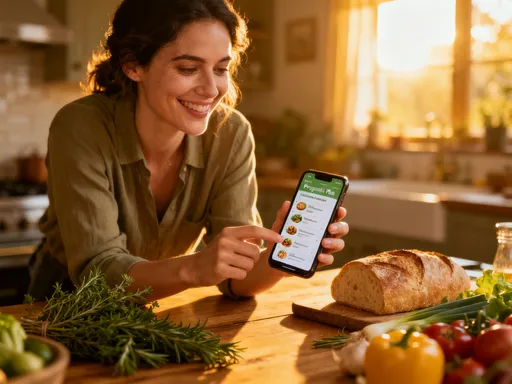
That’s where micro-learning came in. The app I use breaks lessons into 5- to 10-minute bursts. Short enough to finish while the kettle boils. Focused enough to actually absorb. And because the content is tied to my interests, I’m not zoning out. I’m fully present. One morning, I learned five new Spanish words by describing my coffee routine. Another day, I reviewed grammar by reading a short article about urban gardening—something I’ve wanted to try for years.
But it’s not just about length—it’s about timing. The best apps sync with your rhythm. I noticed that my vocabulary lessons often came up right after I put on my walking playlist. Turns out, the app had learned I walk every morning and adjusted delivery to match. So instead of scrolling mindlessly, I was listening to a short story in French—about a woman exploring a farmers’ market. I wasn’t ‘studying.’ I was immersed in a moment that felt natural, even relaxing.
This is the power of smart design: it turns dead time into growth. Waiting in line, folding laundry, commuting—these aren’t lost moments anymore. They’re opportunities. And because the lessons are tiny and relevant, there’s no resistance. No mental negotiation. ‘Do I have time?’ ‘Am I in the mood?’ Nope. I just press play and go. Over time, those small moments add up. I didn’t gain fluency overnight, but after six weeks, I caught myself thinking in sentences. Real ones. About real things I care about. And that’s when I knew—this wasn’t just learning. It was becoming part of me.
The Hidden Power of Adaptive Feedback Loops
Here’s what surprised me most: the app started to know me. Not in a creepy way—but in a thoughtful, almost intuitive way. It noticed when I hesitated on certain words. When I replayed a lesson twice. When I skipped a topic altogether. And instead of pushing forward like older apps did, it adjusted. It repeated key phrases at just the right moment. It paused to check understanding. It even suggested a break when I’d been going for 12 minutes straight.
This is adaptive learning in action. It’s not just delivering content—it’s watching how you engage with it. Think of it like a wise teacher who doesn’t just lecture, but reads the room. If you look confused, they slow down. If you’re nodding along, they go deeper. These apps use data not to judge you, but to support you. They track your pace, your preferences, your patterns—and use that to personalize the journey in real time.
For example, I kept mixing up two similar grammar rules. Instead of moving on, the app gave me a quick quiz, then showed a short video with a real-life example—someone ordering food incorrectly, then correcting themselves. It made the difference click. And a few days later, it brought the concept back in a new context: writing a thank-you note. That’s called spaced repetition, and it’s one of the most proven ways to build long-term memory. But here’s the difference: instead of feeling like a test, it felt like a natural part of the story.
These feedback loops turn passive watching into active mastery. You’re not just consuming—you’re doing, adjusting, improving. And because the app adapts to your needs, you never feel left behind or bored. It meets you where you are. That’s huge for someone like me, who used to give up the moment I felt lost. Now, I trust the process. I know the app won’t let me fall too far. It’s like having a quiet partner in the room, gently guiding me forward.
Making It Stick: How Personalization Strengthens Memory
We’ve all had the experience: you study hard, pass the quiz, and two weeks later, it’s gone. Vanished. That’s because traditional learning often skips the most important step—making meaning. Our brains don’t store isolated facts well. We remember stories. We remember emotions. We remember things that matter.
Personalized apps tap into this. They don’t just teach you a new word—they show you why it matters to you. When I learned the French word for ‘herb garden’ (potager), it wasn’t in a list. It was in a lesson about planning my first balcony garden. I saw images of rosemary and thyme. I listened to a native speaker describe planting in spring. I even got a tip on watering in summer heat. That lesson stuck. Why? Because it wasn’t abstract. It was mine.
This is the science of emotional connection. When new information links to something personal—your goals, your hobbies, your dreams—it gets woven into your existing knowledge. It becomes part of your story. And that makes it easier to recall. I didn’t memorize that word. I lived it.
Another example: I’ve always loved watching Italian cooking shows but felt frustrated I couldn’t understand the dialogue. One lesson used a real clip from a show I watch. The app broke it down line by line, explained key phrases, and even showed the recipe. After that, I rewatched the episode—and caught three new phrases on my own. That feeling of recognition, of connection, was powerful. It wasn’t just learning a language. It was unlocking a world I already loved.
And that’s the secret: when learning feels personal, it lasts. You’re not just storing data. You’re building a richer, more connected version of yourself. And that kind of knowledge doesn’t fade. It grows.
Building a Habit That Doesn’t Feel Like One
The biggest win? I don’t dread it. I look forward to it. That’s how I know it’s working. I used to need streaks, rewards, guilt—anything to keep going. Now, I open the app because I’m curious. ‘What will I learn today?’ ‘Will there be something about travel?’ ‘Do they have a new recipe lesson?’ It feels less like studying and more like checking in with a friend who knows what I like.
And I’ve learned a few tricks to keep it going. One is linking it to daily rituals. I do a short lesson while my coffee brews. Or during my afternoon stretch. It’s not an extra task—it’s woven into what I already do. Another is using mood-based suggestions. Some days I want something calm, like learning about Japanese tea ceremonies. Other days, I want energy—like a fast-paced lesson on music vocabulary. The app knows this now. It offers options that match how I feel, so I never have to force it.
I also stopped measuring success by hours logged or lessons completed. Instead, I notice the small wins. Like when I confidently read a menu in Spanish. Or when I explained a science concept to my daughter using words I just learned. Those moments feel real. They remind me that this isn’t about perfection—it’s about progress. And progress, even in tiny doses, builds confidence.
The habit stuck because it stopped feeling like a chore. It became self-care. A moment of curiosity in a busy day. A chance to grow without pressure. And that’s what I hope for you—not another thing to manage, but a gentle, joyful way to keep learning, no matter how full your life is.
Beyond Skills: How Smarter Learning Enriches Everyday Life
Looking back, the biggest change wasn’t on my resume. It was in my mindset. I feel more curious. More capable. More connected to the world around me. Learning through interest didn’t just teach me new skills—it reminded me that I’m still growing. That it’s never too late to explore, to try, to understand.
It’s changed small moments in big ways. I’m more present in conversations because I actually understand what people are talking about. I’m more confident trying new things—like joining a local gardening group or helping my son with his French homework. I even started a small blog about cooking with herbs, using words and techniques I’ve learned. None of this felt forced. It just… unfolded.
And maybe most importantly, it’s brought joy back into learning. Not the stressful, performance-driven kind. The playful, discovery-driven kind. The kind that made us ask ‘why?’ as kids. That spark is still there. It just needed the right conditions to reignite.
So if you’ve ever felt like learning isn’t for you, I get it. I was there. But what if it’s not you? What if it’s just the wrong tool? What if, with the right app—one that sees you, knows you, grows with you—learning could feel light, natural, even fun? It’s not about being smarter. It’s about being seen. And when technology does that, it doesn’t just teach us. It reminds us who we are—and who we can still become.